How Long Does Teething Last? A Parent’s Guide
16 June 2026
If you’ve got a teething baby at home, chances are you’ve asked yourself this one question over and over: “How long does teething last?” It’s a phase no parent forgets—drool-soaked shirts, cranky cries at 2 AM, and countless moments of wondering if it’ll ever end. The good news? It does. But the journey can be a little bumpy along the way.
In this guide, we’re diving deep into teething—the signs, the timeline, what to expect, and how you can survive it without completely losing your mind. Grab a cup of coffee (or two), and let’s talk baby teeth.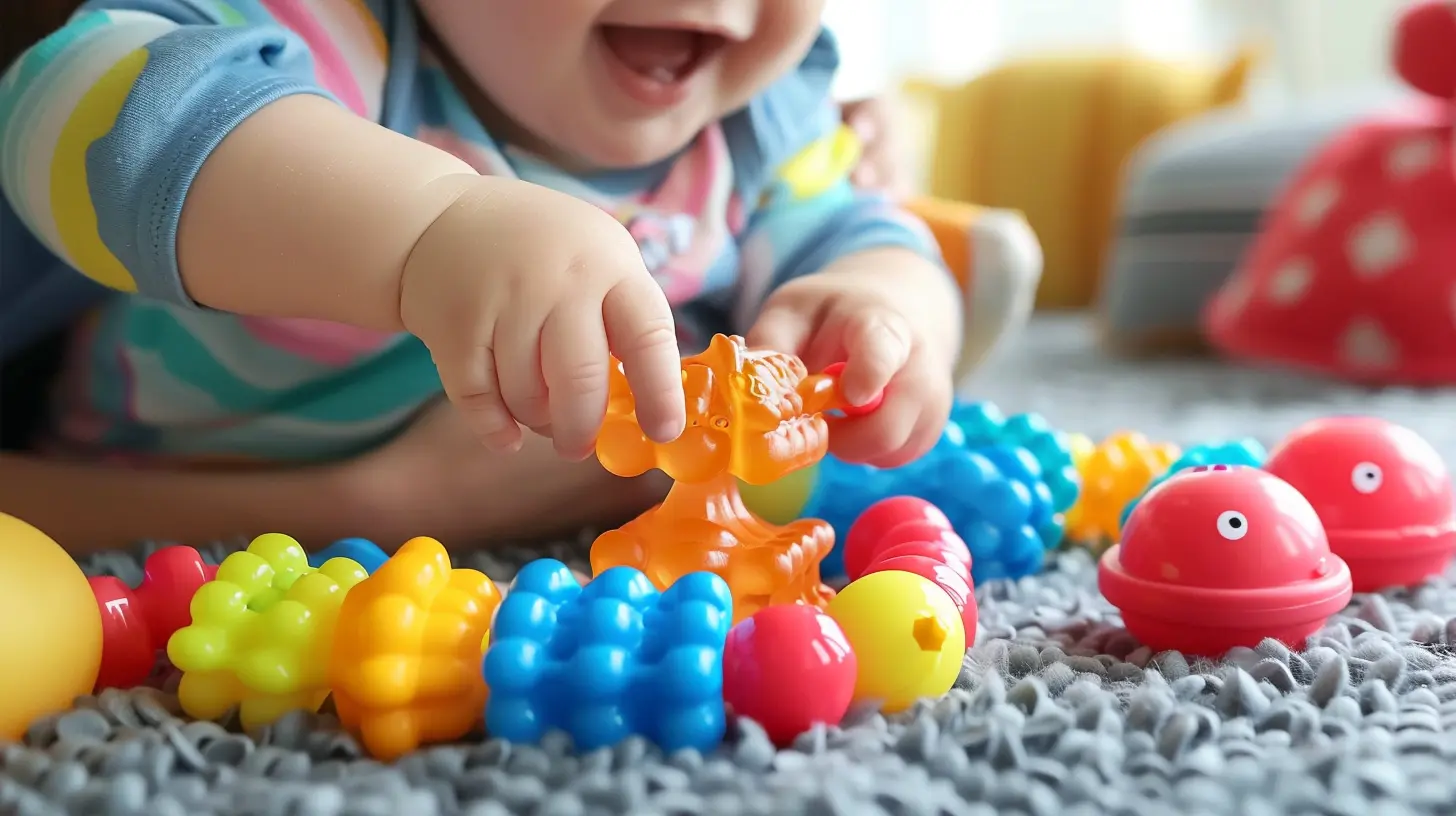
What Exactly Is Teething?
Let’s start with the basics. Teething is the process of your baby’s teeth pushing their way through the gums. Sounds painful, right? That’s because it can be. This stage typically begins when your baby is around 4 to 7 months old, although some tots start earlier or later—it’s all perfectly normal.Baby teeth (also called primary or milk teeth) don’t just pop out one day. Nope, they like to take their sweet time. And while some babies breeze through it like tiny champs, others act like the world is ending. Every kid is different.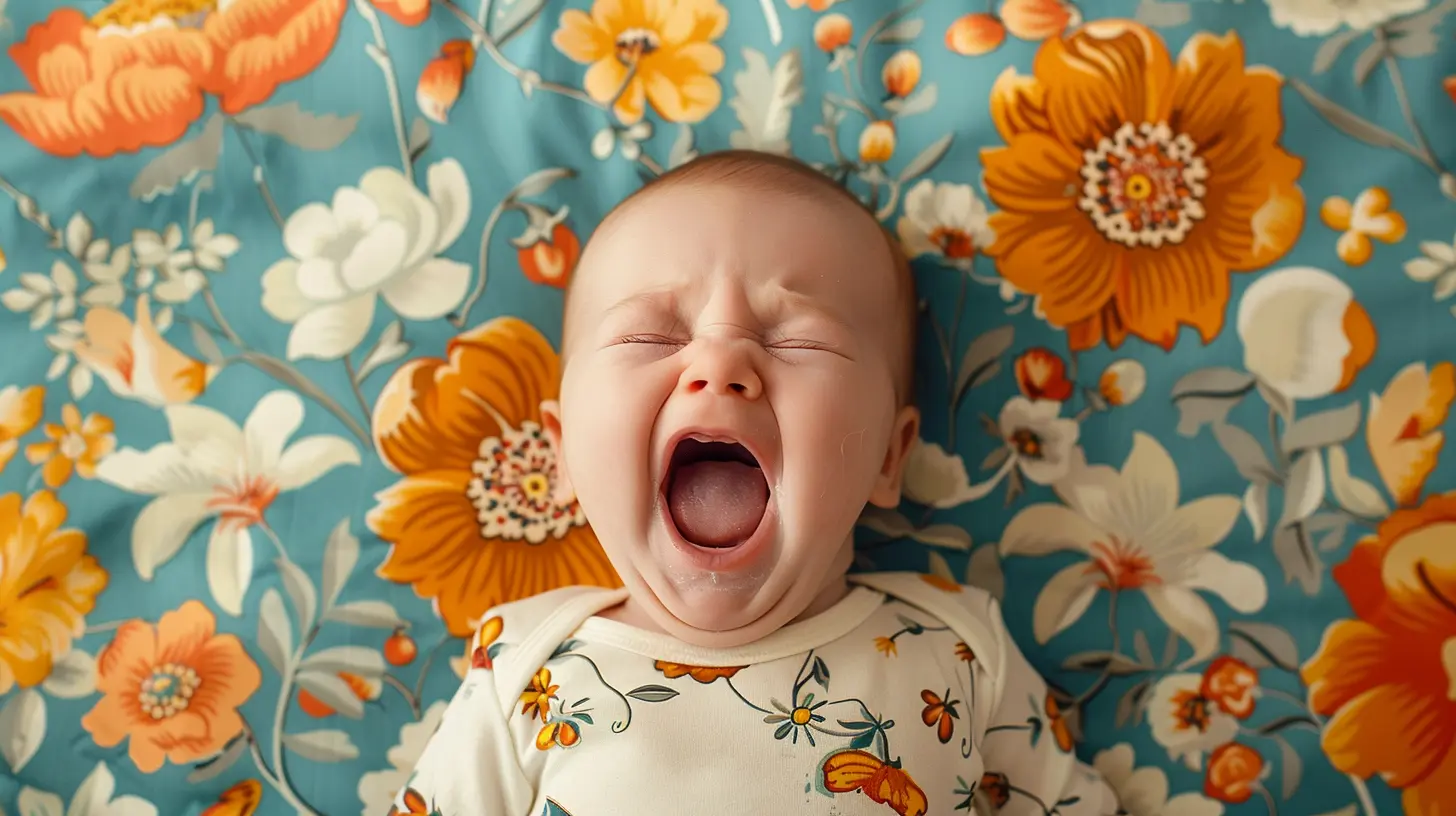
The Teething Timeline – A Month-by-Month Breakdown
So, how long does teething actually last? Let’s break it down.4-7 Months: The Beginning
Typically, the first tooth to make an appearance is one of the lower central incisors (fancy term for the bottom front teeth). These tiny teeth are the first soldiers to break through the gums. Your baby might start drooling buckets and chewing on anything they can find—including your fingers.8-12 Months: Say Hello to Top Teeth
Next up, the top central incisors usually show up. This means your baby’s gummy smile will now have four pearly whites beaming back at you. Cue more drooling and plenty of crankiness.9-16 Months: More Teeth, More Drama
The lateral incisors (just beside the central ones) make an appearance during this time. Some babies handle this stage better, but for others, the fussy spells might ramp up again.13-19 Months: Molars Incoming
Here’s where things get real. The first molars (those big flat ones in the back) start to erupt, and they’re a bit more painful. Your baby might run a mild fever, have trouble sleeping, and start gnawing everything in sight.16-23 Months: Canines Join the Party
Those pointy little teeth between the incisors and molars (canines) come in next. This stage can be hit or miss—some kids aren’t too bothered, while others might have a tough time.23-33 Months: The Final Stretch
Lastly, the second molars show up. Your toddler will likely be a teething pro by now, but these teeth are bigger and can still cause discomfort.By the time your kiddo is around 2.5 to 3 years old, they’ll likely have all 20 primary teeth. So from start to finish, teething can last around 2 to 3 years. Yep—you heard that right.
How Long Does Each Tooth Take to Erupt?
Each individual tooth doesn’t take years to come in, thank goodness. On average, a tooth might take about 1-7 days to fully cut through the gums. The discomfort usually starts a few days before and can linger a bit after. That said, teething symptoms can come and go, so it might feel like a never-ending cycle.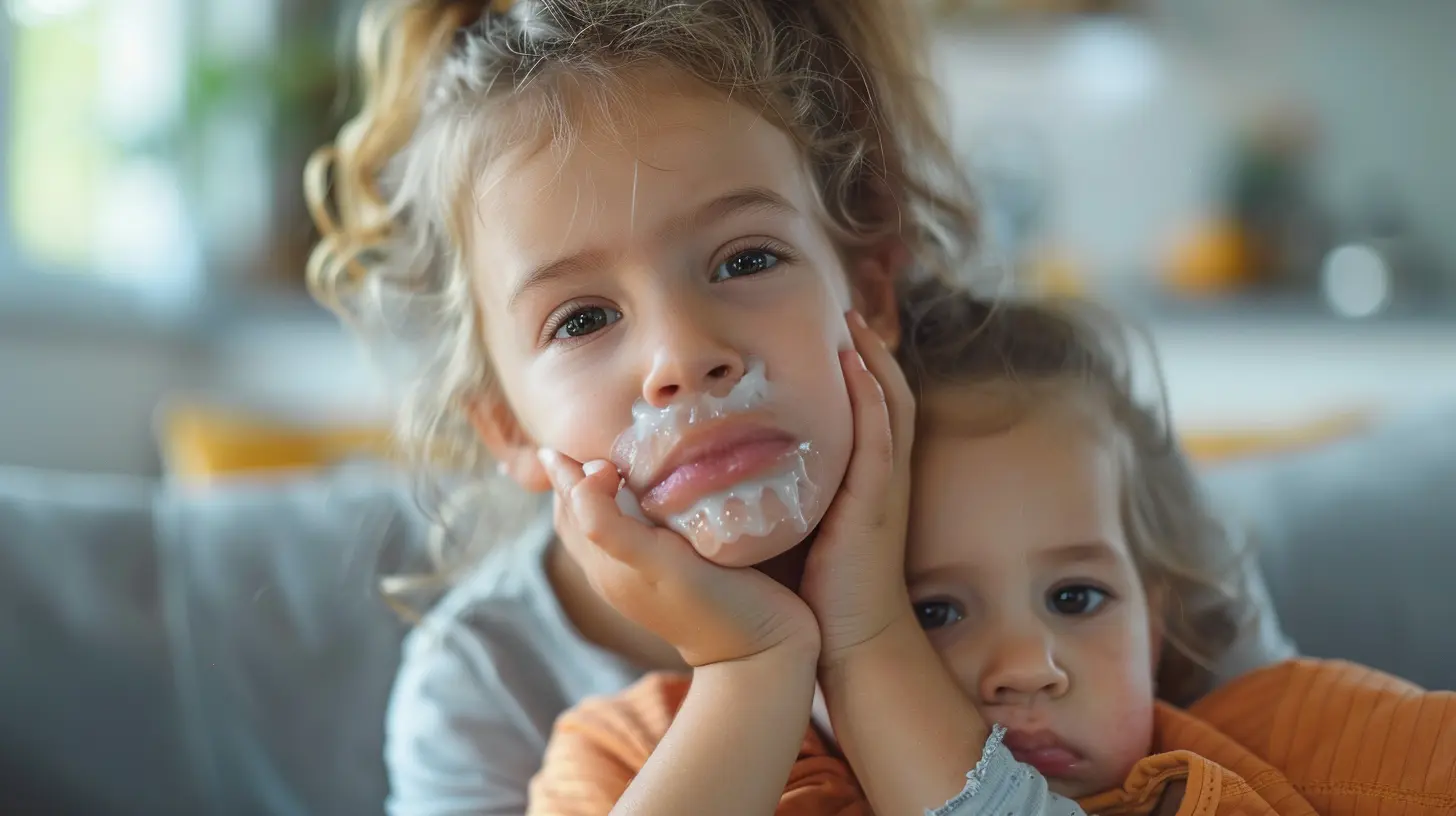
Common Signs of Teething
Not sure if your baby is teething or just having a rough day? Here are the usual suspects:- Drooling like a leaky faucet
- Gnawing on hands, toys, or basically anything
- Red or swollen gums
- Irritability or fussiness
- Trouble sleeping
- Loss of appetite
- Slight fever
- Ear pulling or cheek rubbing
Remember, while a low-grade fever or a bit of diarrhea can be associated with teething, high fevers or severe symptoms should be checked by a doctor—it might be something else.
What Can You Do to Help Your Teething Baby?
This is the part where the rubber meets the road. You’ve got a cranky, drooling baby and you’re both running on fumes. Here are some tried-and-true tips to help you both survive:1. Chilled Teething Toys
Pop a teething ring or toy in the fridge (not the freezer!) and let your baby chew on it. The cold helps numb the gums and reduce swelling.2. Massage Those Gums
Wash your hands and gently rub your baby’s gums with your finger. It’s like a little gum massage—and many babies find it soothing.3. Offer Something to Chew On
A cold, damp washcloth can be perfect for biting. Or you can offer teething biscuits if your baby is old enough for solids.4. Keep the Drool in Check
All that drool can cause skin irritation. Keep a clean cloth handy and wipe often. A protective barrier cream can also help prevent rashes.5. Pain Relief (When Needed)
If your baby is really uncomfortable, ask your pediatrician about pain relief options like infant acetaminophen or ibuprofen—but only if they’re the right age and you’ve confirmed it’s safe.6. Lots of Cuddles
Sometimes, all your little one wants is the comfort of your arms. Extra snuggles can help calm them down—and you might need those cuddles just as much.When Should You Call the Doctor?
Teething is a normal, if frustrating, part of babyhood. But there are times when you should check in with your pediatrician:- High fever (above 101°F or 38.3°C)
- Diarrhea that lasts more than a day
- Rash that spreads or worsens
- Extreme fussiness without relief
- Signs of infection in the mouth
Better safe than sorry, right?
My Baby Isn’t Teething Yet—Is That Normal?
Absolutely! Some babies get their first tooth at 3 months. Others don’t get one until closer to their first birthday. Genetics plays a big role here—were you or your partner late teethers? That could explain the delay.As long as your baby is growing and developing normally, there’s no need to panic. By 18 months, most babies will have at least one tooth. If not, your pediatrician or a pediatric dentist can do an evaluation.
Teething Myths Every Parent Should Ignore
Let’s bust some common teething myths that get passed around like playground gossip.❌ Myth #1: Teething Causes High Fevers
Teething may cause a slight increase in temperature, but not a high fever. A high fever probably means there's another issue.❌ Myth #2: Teething Causes Severe Diarrhea
Some babies have looser stools while teething, but severe or prolonged diarrhea isn’t normal—see a doctor if it happens.❌ Myth #3: You Should Use Numbing Gels
Many teething gels contain benzocaine, which isn’t recommended for infants. These can cause rare but serious side effects. Stick with safer options.Will Teething Affect My Baby’s Sleep?
Unfortunately, yes. Teething and sleep go together about as well as oil and water.Your baby might wake up more often or have a hard time falling asleep when teething pain kicks in. It’s tough on everyone. Try giving some comfort before bedtime—cold teething toys, gentle gum rubs, or a warm bath.
And remember, this too shall pass. Sleepless nights are rough, but your baby won’t be teething forever.
Final Thoughts: You’ve Got This
Teething can feel like it lasts forever, but the truth is—it’s just a phase. A long phase? Yes. A messy, emotional rollercoaster? Definitely. But one day, you’ll look back and barely remember the sleepless nights or the constant drool.Your baby’s smile, full of tiny teeth, will be all the proof you need that it was worth it.
So hang in there. Stock up on teething toys, keep the bibs handy, and always trust your instincts. You’re doing a great job, even on the tough days.
all images in this post were generated using AI tools
Category:
Teething BabyAuthor:

Kelly Snow
Discussion
rate this article
1 comments
Indigo Larsen
Teething can last several months, typically starting around six months old. Every child is different, but common signs include fussiness and drooling.
June 16, 2026 at 4:48 AM
Kelly Snow
That's right! Teething varies for each child, and being patient is key as they navigate this phase.