How to Create a Balanced Plate for Young Children
25 July 2026
Feeding young children can be an adventure. One minute, they love that green smoothie you made, and the next, they’ve declared it “gross” without a second sip. As parents, we’re often caught balancing the tightrope of what they like and what they need. Thankfully, creating a balanced plate for young children isn’t as complicated as it might seem. All it takes is a little planning, some creativity, and a sprinkle of patience.
Let’s break it down together. Whether your little one leans toward picky eater status or is a tiny foodie, this guide will help you create meals that check all the nutrition boxes while keeping dinnertime stress-free.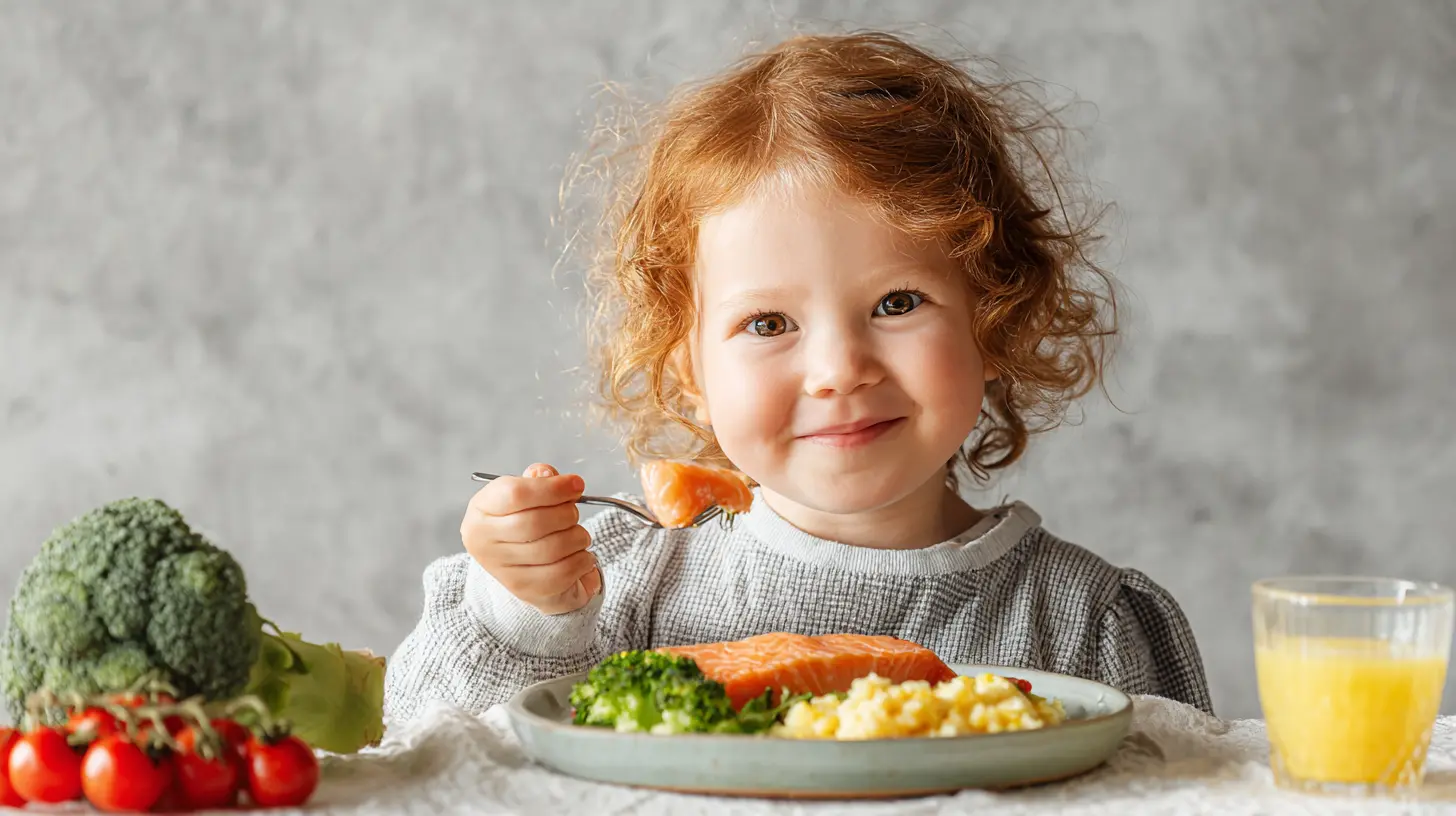
Why Balanced Meals Matter for Kids
Before we dive into the “how,” let’s talk about the “why.” Why is it so important for young children to eat balanced meals? Think of their growing bodies like tiny engines: without the right fuel, they can’t run properly. A balanced diet doesn’t just keep their energy up; it supports brain development, strengthens their immune system, and helps them grow.Did you know that habits formed during childhood often stick around for life? By offering a variety of nutritious foods now, you’re setting them up for future success. Plus, balanced meals reduce those rollercoaster sugar highs and after-meal crashes. And let’s be real—more balance on their plate often means more balance in your home.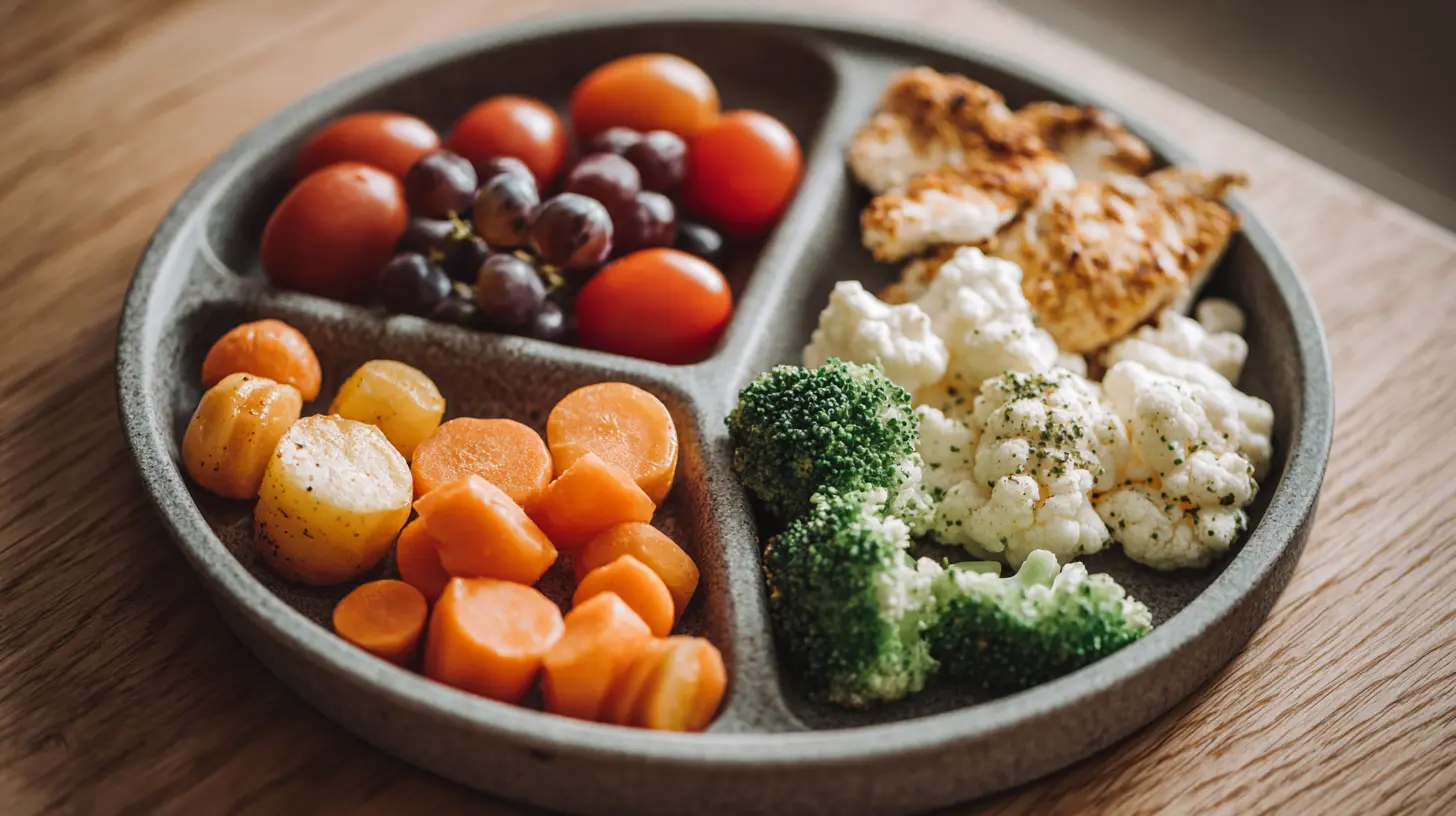
What Does a Balanced Plate Look Like?
So, what exactly is a balanced plate? Picture it as a colorful pie chart made of food. Each section represents a key food group needed to nourish their growing bodies. Here's a simple breakdown:1. Fruits and Vegetables (Half the Plate)
Bright, colorful options are the stars of the show here. Fruits and veggies provide essential vitamins, minerals, and fiber. They’re also perfect for picky eaters because of their variety—there’s always something they'll like.
2. Proteins (One-Quarter of the Plate)
Protein is the building block of growing muscles. Think lean meat, fish, eggs, beans, lentils, tofu, and even nut butters (if allergies aren’t an issue).
3. Grains (One-Quarter of the Plate)
Whole grains like rice, quinoa, and whole-grain bread are rich in energy-boosting carbohydrates and fiber. Avoid ultra-processed options and aim for whole grains when possible.
4. Dairy (or Calcium-Rich Alternatives)
Think of this as a sidekick to the main plate: milk, yogurt, cheese, and plant-based alternatives (fortified almond or soy milk) provide calcium for strong bones and teeth.
5. Healthy Fats
While not a visible “slice,” healthy fats from sources like avocados, nuts, seeds, or olive oil are an essential part of your child’s diet too.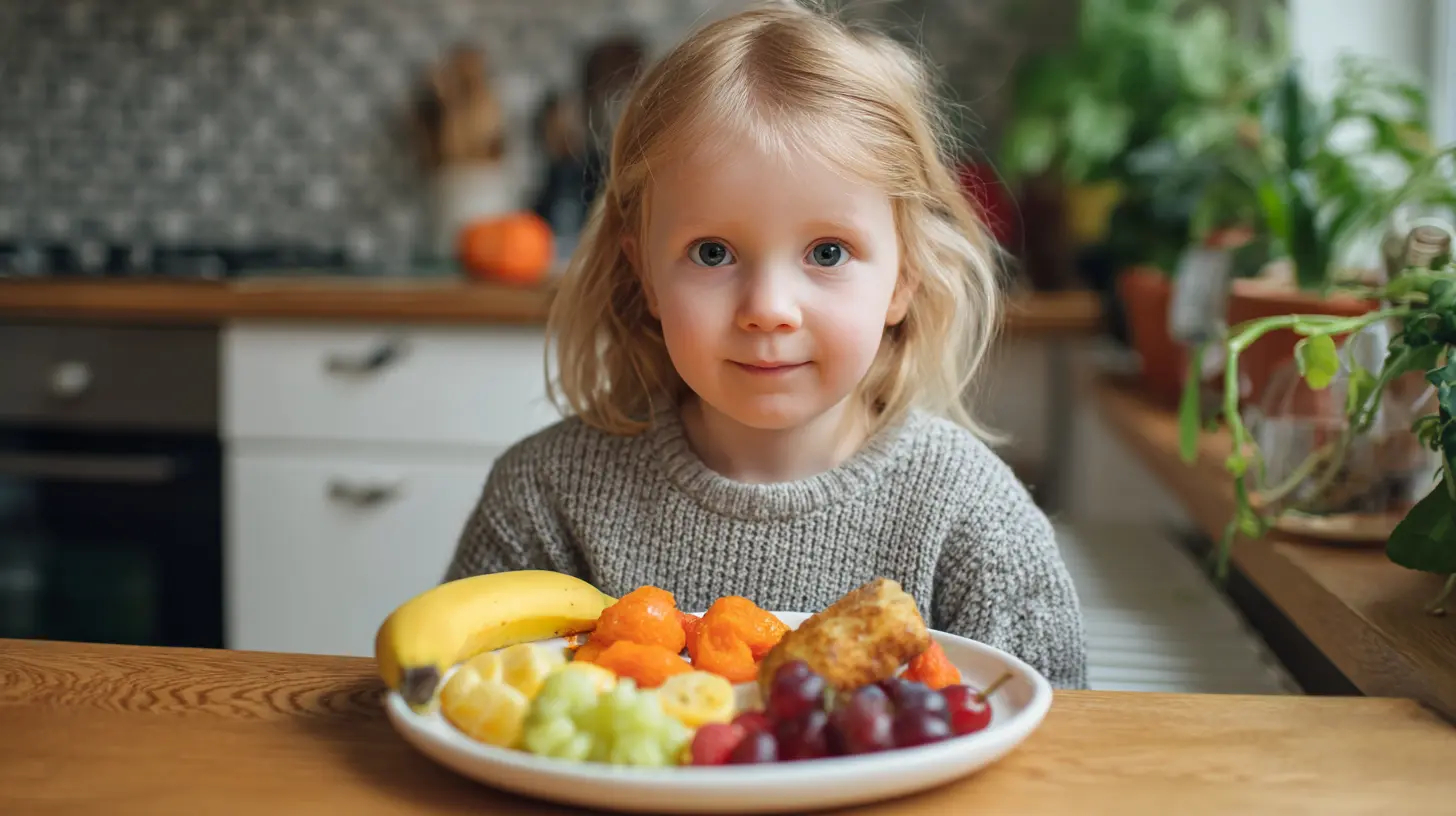
How to Build a Balanced Plate Step-By-Step
Here’s where the fun begins! Instead of overthinking or obsessing over perfect proportions, follow these easy steps:1. Start With Fruits and Veggies
Fill half of their plate with colorful fruits and vegetables. Try mixing raw and cooked options for variety. For picky eaters, you can make veggies “fun” by offering them as sticks with a dip, blending them into smoothies, or sneaking spinach into pasta sauce.2. Balance With Protein
Add a palm-sized portion of protein. Whether that’s a handful of shredded chicken, a boiled egg, or some black beans, make sure it’s kid-friendly and easy to chew.3. Add Whole Grains
Grains take care of their energy needs. Choose whole-wheat bread for sandwiches, brown rice instead of white, or even fun-shaped whole grain pasta. Kids love shapes—it makes meals more exciting.4. Include Dairy or Calcium Alternatives
Pop a yogurt cup on the side or offer a glass of milk. If your child isn’t a fan of dairy, a fortified almond or oat milk can work just as well.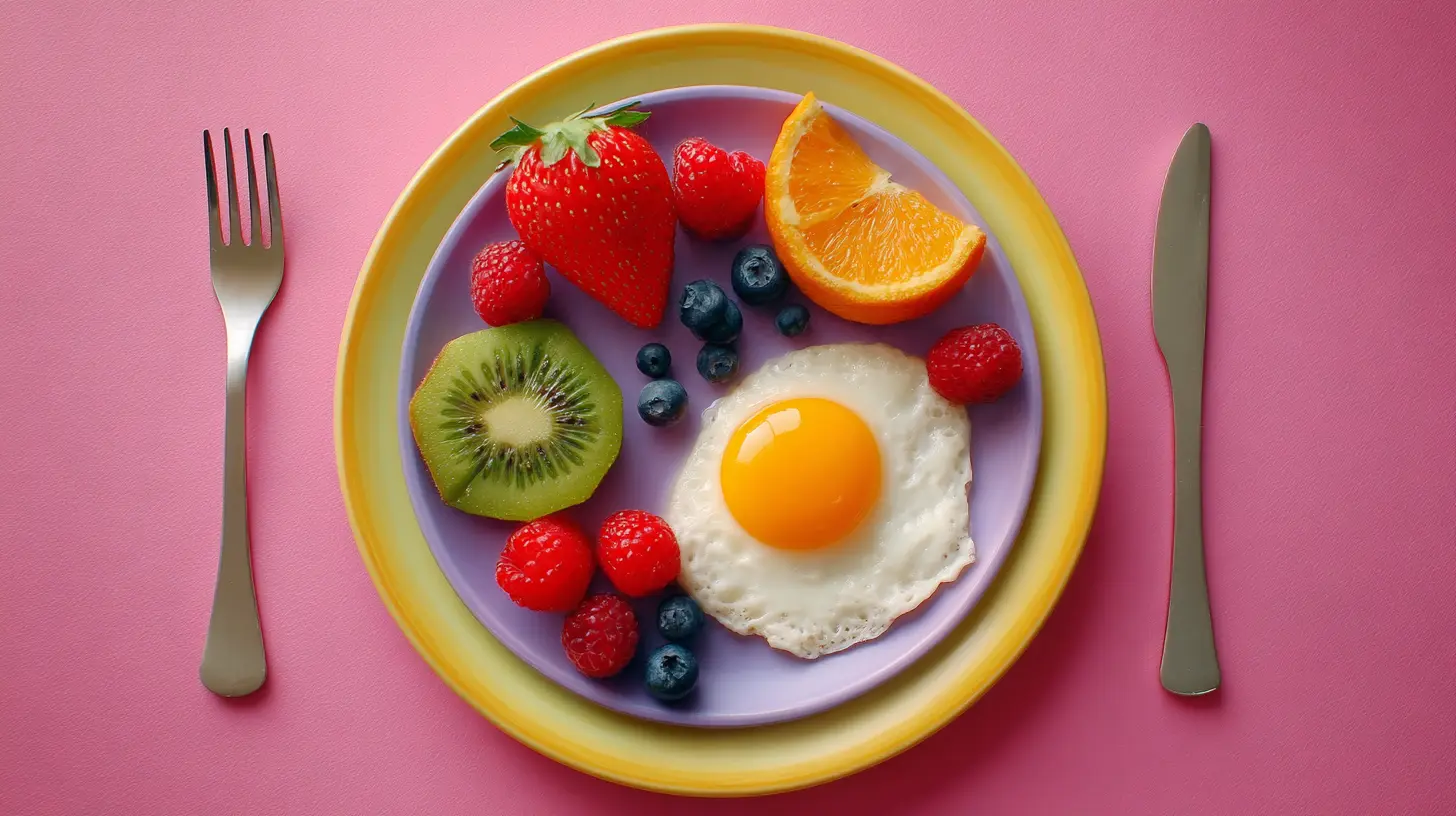
Tips for Encouraging Healthy Eating Habits
Creating a balanced plate is one thing, but getting kids to actually eat it? That’s where the real parenting challenge lies. Here are some tips to help:1. Make It Colorful and Fun
Kids eat with their eyes. A plate full of vibrant colors is more appealing than a bland-looking meal. Cut fruits and veggies into fun shapes using cookie cutters or arrange them into smiley faces.2. Serve Small Portions First
A towering plate of food can overwhelm young children. Start small and let them ask for seconds. It’s less wasteful, too!3. Let Them Get Involved
Kids are more likely to eat foods they help prepare. Have them pick out a veggie at the store, wash fruit, or stir a sauce. It makes them feel part of the process—and proud of their plate.4. Don’t Label Foods as “Good” or “Bad”
Instead of saying, “You have to eat your broccoli because it’s healthy,” explain how foods help their bodies grow. For example, “Broccoli makes your muscles strong, just like a superhero!”5. Model the Behavior
Your child will be more inclined to eat a balanced plate if they see you eating one, too. Be their role model—and yes, even eat the peas you aren’t so fond of.6. Offer a Variety of Options
Exposing your child to a range of foods early increases the chance they’ll try and like them. Even if they don’t eat it the first time, keep trying—it can take several attempts before they come around.Common Myths About Balanced Diets for Kids
Let’s bust a few myths that may be holding you back from creating balanced meals:Myth 1: Kids Must Finish Everything on Their Plate
Nope! Forcing kids to clean their plates can lead to overeating and unhealthy habits. Encourage them to listen to their own hunger cues instead.Myth 2: Healthy Eating is Expensive
Fresh fruits, frozen vegetables, bulk grains, and pantry staples can be affordable and last for weeks.Myth 3: “Picky Eating” Means They’re Not Getting Enough Nutrition
It’s okay if your child skips certain food groups occasionally. Make up for it by offering a variety of options throughout the week.Making Balanced Eating a Part of Your Family Routine
Building a balanced plate doesn’t have to be a stressful chore. Make it part of your weekly meal planning. Get your kids excited about food by turning grocery shopping into a game—challenge them to pick a fruit or veggie in every color of the rainbow. Or, implement a “try one new thing a week” rule.Remember, it’s not about being perfect every single meal. There will be days when chicken nuggets and fries happen—and that’s okay. Balance isn’t about perfection; it’s about the overall picture.
Conclusion
Creating a balanced plate for young children is one of the best gifts you can give them—because you’re not just feeding their stomachs, you’re nourishing their future. With a little creativity and consistency, you can turn mealtime into an enjoyable, stress-free experience for both you and your child.The secret? Keep it fun, keep it colorful, and don’t forget to listen to your little one along the way. After all, happy plates equal happy kids (and happy parents!).
all images in this post were generated using AI tools
Category:
Healthy MealsAuthor:

Kelly Snow