How to Create a Mealtime Routine That Reduces Picky Eating
18 June 2026
Let’s be honest—mealtimes with kids can be a battleground. One minute you’re offering up a lovingly cooked dinner, and the next, your little one is declaring broccoli the enemy of the state. Sound familiar? If picky eating has turned your kitchen into a war zone, you're not alone. But here's the good news: a solid mealtime routine can work wonders in reducing picky eating. It’s not magic, but it sure can feel like it when your child finally tries that spoonful of peas without a fuss.
In this article, we’re diving into how to build a mealtime routine that not only encourages healthy eating habits but also keeps mealtimes peaceful and enjoyable (yes, it's possible!).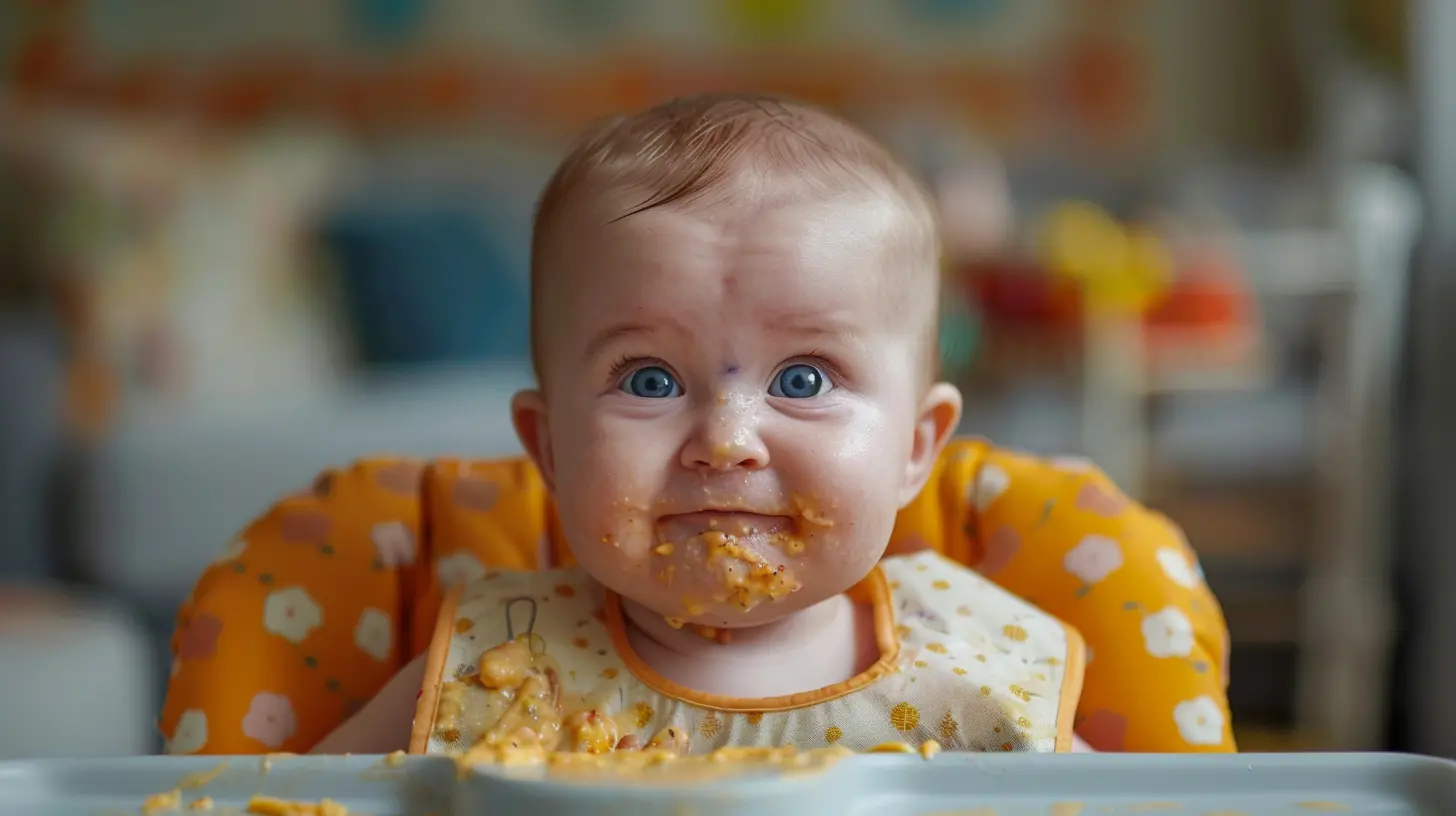
Why Routine Matters at the Table
Kids thrive on structure. Just like they need a bedtime routine to wind down, they benefit big time from a predictable mealtime routine. Why? Because it sets expectations, builds habits, and creates a sense of stability.Imagine this: your child knows dinner is at 6 PM, they help set the table, and they get to sit down with the whole family. That kind of consistency helps them feel secure—and when kids are calm, they’re more likely to eat. The chaos of an unpredictable schedule can make kids cling to control in the one place they feel they can: their plate.
Step-by-Step Guide to Building a Mealtime Routine
1. Set Consistent Meal and Snack Times
Your child’s body works on a clock—just like yours. If they’re snacking all day, they won’t be hungry for real meals. Setting structure around three meals and two to three snacks a day gives kids a rhythm. Their body learns when to expect food, and over time, their hunger cues will naturally align with your schedule.? Pro tip: Try sticking to meal times within a 30-minute window each day. Kids love knowing what comes next.
2. Create a Calm Environment
Turn off the TV, put phones away, and make mealtime a peaceful moment. Distractions can make it harder for kids to tune into their hunger and fullness cues. Not to mention—it’s nearly impossible to convince a child to eat when their eyes are glued to a cartoon.Instead, use mealtime as a chance to connect. Talk about your day, share something funny, and make the table a welcoming space. That positive association with food and family? That’s what helps picky eaters start to open up.
3. Get Kids Involved in the Kitchen
Kids are far more likely to try something they’ve helped create. It's like they have this built-in pride when they stir the pot or sprinkle cheese on top. You don’t need to hand over the chef’s hat completely, but giving them small tasks—like washing veggies or choosing between two side dishes—makes a big difference.It puts them in the driver’s seat (just a little), and that small sense of control helps reduce the usual resistance.
4. Keep Portions Kid-Sized
One common trap we fall into as parents? Serving up adult-sized portions and expecting kids to clean their plates. But smaller tummies mean smaller appetites. Start with tiny servings—think a tablespoon of each food per year of age—and let them ask for more if they’re still hungry.When kids don’t feel overwhelmed by a mountain of food, they’re more open to trying new things.
5. Use the "Division of Responsibility" Method
Ever heard of this gem? It’s a feeding strategy by expert Ellyn Satter that totally takes the pressure off both you and your kids. Here’s how it works:- Your job: Decide what’s served, when it’s served, and where it’s served.
- Your child’s job: Decide whether to eat and how much.
When you stick to your part, and let go of control over how much or what they eat, it removes the power struggle. No more bribing with dessert or threatening to take away toys.
It sounds simple, but it’s wildly effective.
6. Repeat Exposure (Yes, Even 15 Times!)
We tend to write off a food after the first failed taste test, but kids need repeated exposure to new foods before they accept them. And by repeated, we mean anywhere from 8 to 15 times—sometimes more!Just keep offering that broccoli, without any pressure. Maybe this time it’s raw with dip, next time it’s roasted, and the time after, you grate it into muffins. The key is consistency and patience.
7. Offer a "Safe Food" Every Meal
Including at least one food your child already likes in each meal helps them feel secure at the table. They may not eat everything on the plate, but having a familiar favorite there means they won’t go hungry and they’re less likely to meltdown.This also builds trust. They know you're not going to spring liver and onions on them with no lifeboat.
8. Avoid Becoming the Short-Order Cook
Resist the urge to make a special meal just because your child refuses what’s served. It might seem harmless, but doing this regularly teaches them they don’t have to try new foods because something they do like will magically appear.Instead, serve meals family-style (more on that next!) or include a variety of small items that offer some choice while still keeping boundaries.
9. Try Family-Style Dining
Passing dishes around the table and letting kids serve themselves gives them a sense of autonomy. They can decide what goes on their plate, and how much—and this reduces pressure.Plus, seeing everyone else enjoying the meal (without commentary!) can encourage them to eventually try new things on their own time.
10. Be a Role Model (Even When It’s Hard)
Kids are professional imitators. If they see you trying new foods, enjoying veggies, and not making faces at your own plate, they’re more likely to follow your lead.You don’t have to pretend to love everything—but showing a willingness to try gives them permission to do the same. “Hmm, I’m not sure about this squash, but I’ll give it a try” goes a long way.
Common Mistakes to Avoid
Even with the best intentions, we all slip up. Here's what to steer clear of when building your mealtime routine:- ❌ Bribing with dessert ("Eat your peas, then you get cake!") teaches kids to value sweets over healthy foods.
- ❌ Forcing bites kills natural curiosity and increases resistance.
- ❌ Commenting too much on what or how much they eat can create anxiety.
- ❌ Labeling kids as "picky" reinforces the behavior. Instead, call them “learning eaters.”
Encouraging Wins, Even Small Ones
When your child finally licks a carrot or nibbles a new food, celebrate it. Not with a parade and confetti, but with a simple, encouraging “Nice work! I saw you tried something new.”These little moments build confidence. And the more confident your child feels, the more likely they are to keep exploring.
When to Seek Extra Help
Sometimes, picky eating goes beyond the norm. If your child:- Eats fewer than 20 foods regularly
- Has extreme reactions to certain textures or smells
- Gags or vomits often at meals
- Is losing weight or not gaining appropriately
…it might be time to check in with a pediatrician or feeding specialist. There’s zero shame in getting support. The important part is helping your child feel safe and successful with food.
Final Thoughts
Creating a mealtime routine that reduces picky eating doesn’t happen in a day—but with patience, consistency, and a good dose of flexibility, amazing things can happen. The change might be slow at first, but over time, you’ll see your child becoming more open, more confident, and yes—maybe even asking for seconds of those green beans.Start small. Focus on connection over perfection. And remember—mealtime is about more than food; it’s about family, love, and growing together.
all images in this post were generated using AI tools
Category:
Parenting RoutinesAuthor:

Kelly Snow
Discussion
rate this article
1 comments
Lark Lynch
Consistent meals and variety can transform picky eaters.
June 30, 2026 at 3:43 AM
Kelly Snow
Absolutely! Consistency paired with variety helps expand their tastes and makes mealtime enjoyable.