How to Gradually Transition from Bed Sharing to Independent Sleeping
31 January 2026
Ah yes, bed sharing. That sweet, snuggly situation where your child kicks you in the face at 2 a.m., steals your pillow, and somehow rotates 360 degrees in their sleep. Magical, isn’t it? But maybe—just maybe—you’re starting to crave the sensation of stretching your limbs without bumping into a tiny human. Or perhaps you're tired of waking up with a stuffed animal jammed under your ribs. Whatever your reason, you've landed here, ready to figure out how to gently (emphasis on gently) guide your little co-sleeper into the glamorous world of independent sleeping.
Buckle up, fellow sleep-deprived warrior. This won't be an overnight miracle (pun intended), but with a sprinkle of patience, a dash of humor, and a lot of coffee, you can absolutely get there.

Why Do We End Up Bed Sharing Anyway?
Before we dive into transitions and toddler negotiations, let’s take a moment of solidarity. Bed sharing happens. Sometimes it's intentional—a lovely bonding experience. Other times it's more like, "I gave up after the sixth wake-up and now here we are." No judgment. Whether co-sleeping was part of your parenting Pinterest board or you fell into it in survival mode, you are not alone.But eventually, the day may come when your bed no longer feels like a haven and instead starts to resemble a battlefield where your sleep is the main casualty. That’s when you know—it’s time.

The Big Question: When Should You Start?
There is no magical age here. Some parents start earlier, some later. But if your little one is 18 months or older, understands basic instructions (and maybe throws some sass your way), you’re in a good place.Translation: when you can reason a little and bribe a lot, you're ready.

Step 1: Set the Stage (a.k.a. Create the Hype)
Let’s give this transition the red-carpet treatment it deserves. Moving to their own bed should feel like the grand event of the year. You’re basically selling them the idea of sleeping alone, so think like a marketer.Create a “Big Kid Bed” Buzz
Let your child choose their bed (within reason, of course). Maybe it’s shaped like a freaking race car or has princess curtains. Will it clash with your minimalist aesthetic? Absolutely. Will it make them excited to sleep in it? Also absolutely.Get them involved in picking out bedding, night lights, and even bedtime books. Let them feel like the CEO of their own sleep space.
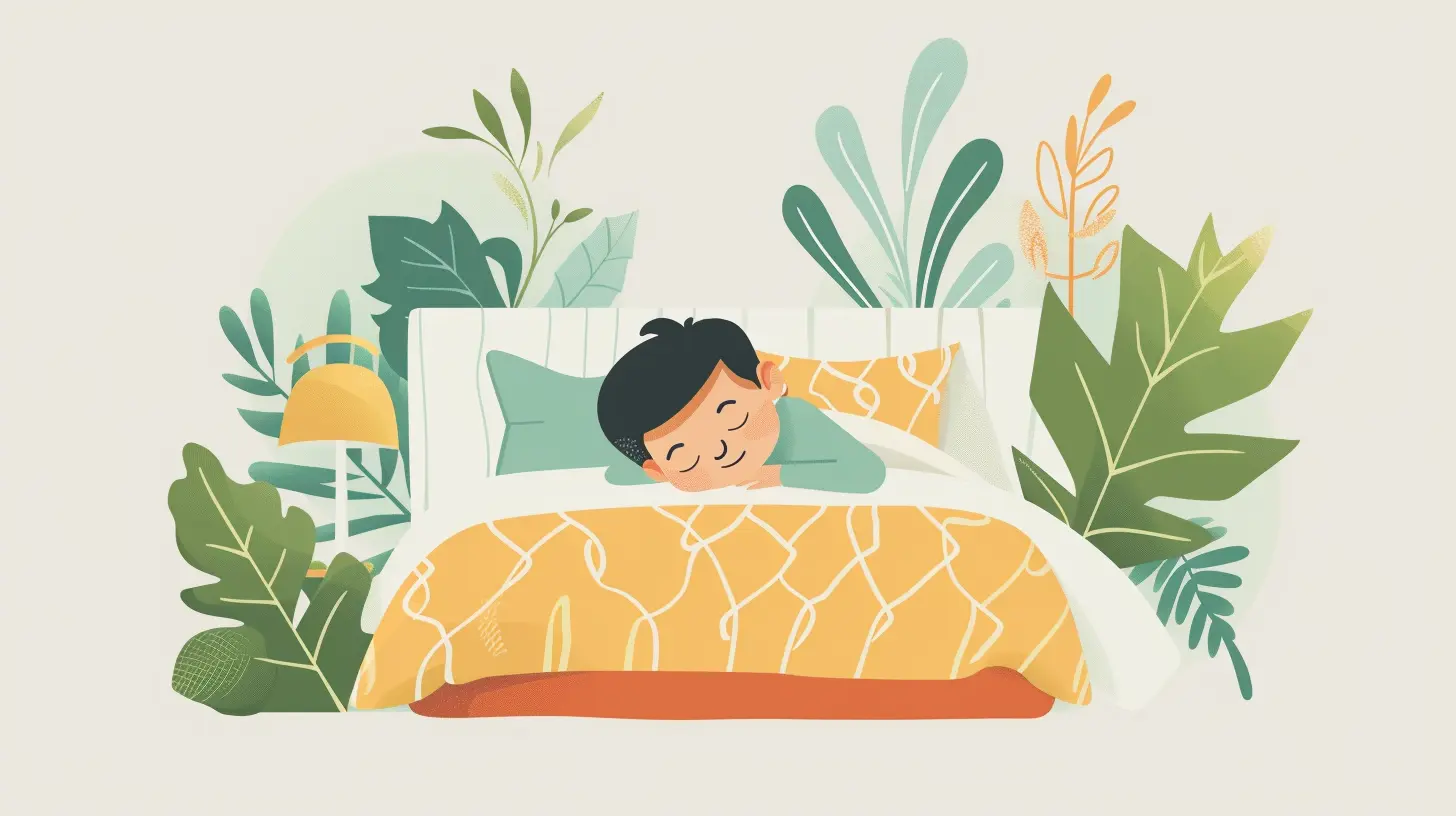
Step 2: Practice Makes Perfect (Kinda)
Now that you’ve hyped up their room to HGTV levels, don’t expect them to sprint in there and fall asleep like an angel. Ease into it.Start with Naps
Try the new bed for naps first. It’s lower pressure and daylight makes everything less scary (for both of you). Naptime is your trial run—it’s like sleep-training's warm-up act.Hang Out in Their Room
Play in the room during the day. Read books on the bed. Do anything to make this space feel familiar and safe. The more time they spend in there not sleeping, the more relaxed they’ll be when it’s actually bedtime.Step 3: The Half-and-Half Approach
Now we get to the real MVP move: partial nights in their own bed.You start bedtime in their room. Lights down, bedtime routine—wash, rinse, repeat. They fall asleep there. Later, when they inevitably sneak into your bed at 2 a.m. like a silent ninja, you let it happen. No shame in the sleepy parent game.
Slowly Shift the Balance
Over time, the goal is to increase how long they stay in their bed. You might return them once (or fifteen times) per night. That’s okay. Eventually, their bed becomes the default, not the exception.It’s a process. A long, winding, coffee-fueled process.
Step 4: Stick to a Bedtime Routine (Like, Religiously)
Routines are comforting. Predictability is magic for little ones. Plus, bedtime routines signal, “Hey, we’re doing the sleep thing now, not the run-around-like-a-hyper-goat thing.”Make it soothing. Think bath, PJs, cuddle, book, lullaby, lights out. Every. Single. Night.
Bonus Tip: The Magic of the “Wind-Down Hour”
Avoid sugary snacks and screen time before bed. Trust me, trying to get a toddler to sleep after a Peppa Pig marathon is like trying to put a kangaroo to bed.Step 5: Gradual Withdrawal (Yes, Like a Coffee Detox)
If your child insists that you lay next to them until they fall asleep, don’t panic. You don’t have to go cold turkey.Start by Sitting Nearby
First, you sit on the bed. Then, you move to a chair next to the bed. Then across the room. Then just outside the door. Think of yourself as the world’s slowest-moving bedtime ninja.Each night, scoot a little farther away. Before long, you’ll be in your own bed, watching Netflix with a sense of victory.
Step 6: Manage Expectations (and Tantrums)
Spoiler alert: there will be resistance. Your child might cry, yell, or declare bedtime to be the worst invention in all of human history.Don't take it personally.
Transitions are hard. You’re not traumatizing your child—you’re teaching them a skill. And staying consistent, even when you’re tempted to give in and just snuggle back into co-sleeping, is what will make this work.
Because nothing says “I love you” like enforcing boundaries at 8 p.m. when your eyeballs are falling out from exhaustion.
Step 7: Bribery—Err, I Mean Positive Reinforcement
A sticker chart? A treasure box? A gummy bear for making it through the night? Here’s the thing: incentives work. Don’t be afraid to reward success.Create a “Sleep Wins” Chart
Each night they sleep in their own bed = a sticker. 5 stickers = a prize. 10 stickers = you get your bed back and maybe even a nap. Everyone wins.
Step 8: Night Wakings? Have a Game Plan
It’s 3 a.m., and you hear the pitter-patter of little feet. Again.Go into their room, keep the lights low, speak calmly, and return them to their bed. No lecturing, no engaging in deep conversations about dinosaurs. Simple. Low-stimulation. Repeat as many times as necessary.
Remember, This Is a Marathon
Some nights you’ll feel like a champion. Other nights you’ll wonder why you started this in the first place. Totally normal.The key? Keep showing up. Keep guiding. Keep leading with love (and caffeine). It will click.
What NOT to Do (Because We’ve All Been There)
- Don’t shame or punish them for wanting closeness. This is a big change.- Don’t expect perfection. The occasional night back in your bed doesn’t mean you’ve failed—it means you’re human.
- Don’t forget to celebrate the little wins. One full night in their bed? That deserves a parade. Or at least a hot cup of coffee in silence.
Will They Ever Sleep in Their Own Bed Forever?
Eventually? Yes. But this isn’t a race. It’s about helping your child feel secure while slowly building their independence.And if you’re worried they’ll still be crawling into your bed in high school—spoiler alert—they won’t. Though you might just miss those snuggles when they stop asking for them.
Until then, enjoy the journey. One bedtime, one sticker, one tiny foot to the rib at a time.
all images in this post were generated using AI tools
Category:
Sleep TrainingAuthor:

Kelly Snow
Discussion
rate this article
2 comments
Lexi Jennings
Transitioning to independent sleeping can be tough. Patience and consistency are key for both parent and child.
February 23, 2026 at 5:49 PM
Kelly Snow
Absolutely! Patience and consistency make all the difference during this transition. Thank you for your insight!
Bethany Cole
Great tips, very helpful!
January 31, 2026 at 5:20 AM
Kelly Snow
Thank you! I'm glad you found the tips helpful!