Mindful Parenting: Helping You and Your Kids Stay Present
5 March 2026
Parenting is one of the most beautiful and challenging journeys in life. With the chaos of daily responsibilities, work deadlines, and endless notifications, it’s easy to lose sight of the present moment. We often find ourselves rushing from one task to another, missing the little moments that truly matter.
But what if we could slow down and be more present with our children? That’s where mindful parenting comes in.
Mindful parenting isn’t about being perfect; it’s about being aware, intentional, and connected. It’s about truly listening to our kids, showing empathy, and being in the moment—without distraction. In this article, we’ll dive into why mindfulness in parenting is essential, how it benefits both you and your child, and practical ways to incorporate it into your daily life. 
What Is Mindful Parenting?
Mindful parenting is the practice of being fully present with your child—physically, emotionally, and mentally. It means paying attention to their words, emotions, and actions without judgment or distraction. Instead of reacting with frustration or impatience, mindful parents respond with understanding and compassion.Imagine this: Your child is throwing a tantrum because they can’t have a second piece of candy. Instead of immediately snapping, “No! Stop crying!”, you pause, take a deep breath, and say, “I see that you’re upset. I know you really want another piece, but we’ve already had enough for today. Let’s find something else fun to do.”
This kind of response fosters emotional intelligence and strengthens your connection with your child. It teaches them that their feelings are acknowledged and valid without letting their emotions control the situation. 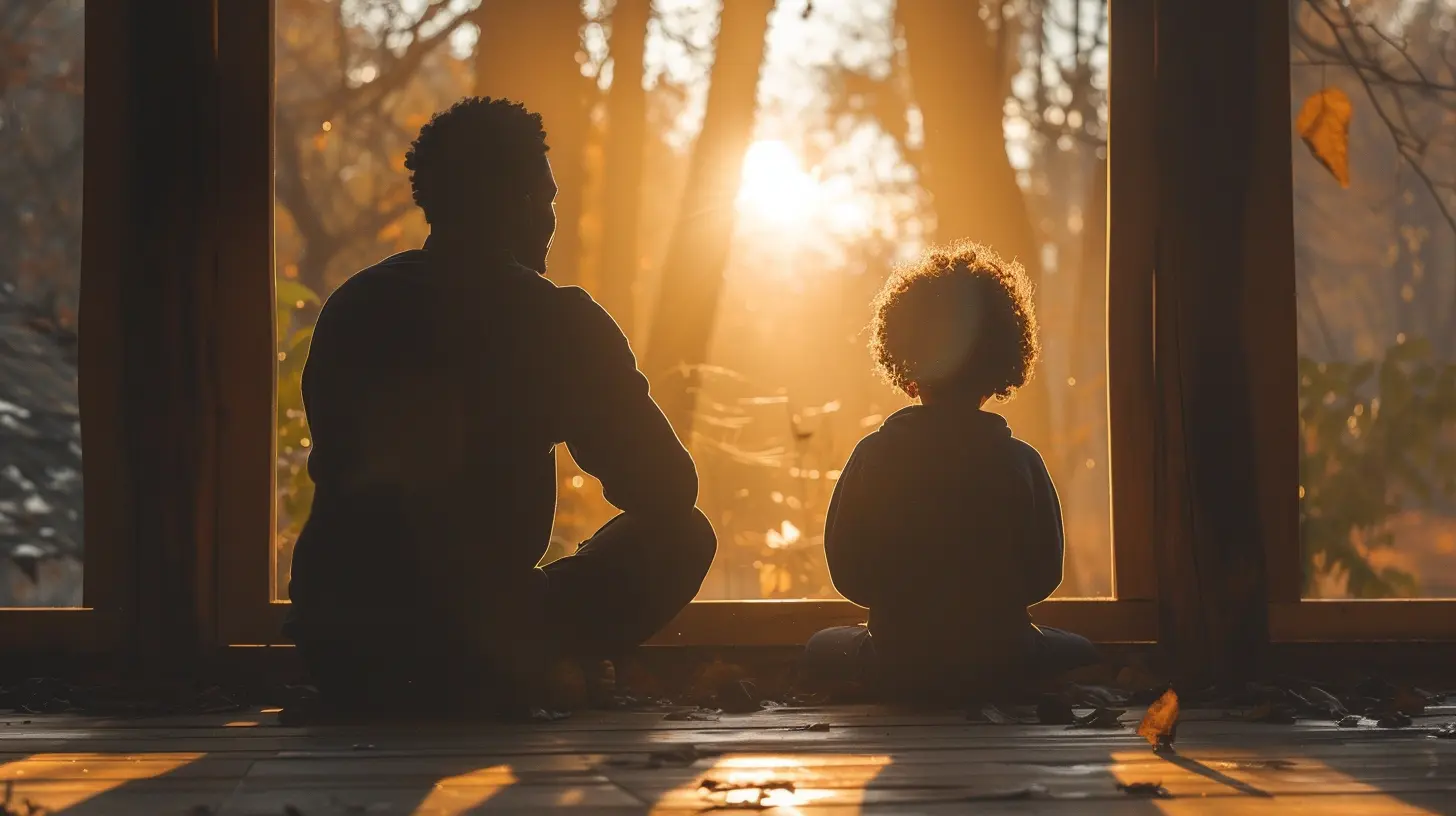
Why Is Mindful Parenting Important?
Parenting on autopilot is easy. We rush through our routines, give half-hearted responses, and scroll through our phones while our kids talk to us. But children thrive on attention, presence, and emotional security. When we’re genuinely present, we provide them with a safe space to express themselves and feel valued.Here are a few key reasons why mindful parenting matters:
1. Strengthens Parent-Child Relationships
Being present and engaged shows your child that they are important. When they feel heard and understood, they develop a stronger emotional bond with you.2. Reduces Stress and Anxiety
Mindfulness encourages deep breathing and awareness, which reduces stress and anxiety for both parents and children. Instead of reacting impulsively, you handle situations with calmness and clarity.3. Helps Kids Develop Emotional Intelligence
Children learn by example. When they see you approaching life with patience and empathy, they develop these traits as well. They learn to regulate their emotions, communicate effectively, and handle conflicts with understanding.4. Encourages Positive Behavior
Kids act out when they feel ignored or misunderstood. By practicing mindful parenting, you can reduce tantrums, power struggles, and negative behavior. When children feel seen and heard, they are more likely to cooperate and respect boundaries.5. Promotes Lifelong Mindfulness Habits
By teaching mindfulness at a young age, you equip your child with a lifelong skill that helps them cope with stress, build strong relationships, and handle challenges with resilience.
How to Practice Mindful Parenting
Mindful parenting doesn’t mean you have to sit cross-legged and meditate for hours. It’s about making small, intentional changes that bring awareness and presence into your daily interactions.Here are practical steps to help you embrace mindfulness in parenting:
1. Listen With Full Attention
How often do we say, “Uh-huh, yeah, that’s great,” without actually listening?The next time your child talks to you, put your phone down, make eye contact, and genuinely listen. Ask follow-up questions and show interest in what they’re saying. This makes them feel important and valued.
2. Pause Before Reacting
When your child misbehaves or gets on your nerves (and they will), take a deep breath before reacting. Ask yourself:- Why are they acting this way?
- What emotions are they experiencing?
- How can I respond without escalating the situation?
Instead of yelling, guide them through their emotions with understanding.
3. Make Time for One-on-One Connection
Life gets busy, and it’s easy to get caught up in routines. But even 10 minutes of undivided attention can make a difference.- Read a book together.
- Play their favorite game.
- Go for a short walk and talk.
These moments strengthen your bond and show your child that they have your full attention.
4. Lead by Example
Kids notice everything. If you’re constantly glued to your phone, rushing through meals, or reacting with frustration, they’ll pick up those habits.Show them what mindfulness looks like by:
- Putting away screens during meals.
- Speaking calmly, even in stressful situations.
- Practicing gratitude and appreciation.
When they see you being present, they’ll naturally mirror that behavior.
5. Encourage Deep Breaths and Mindfulness Exercises
If your child is feeling anxious or overwhelmed, help them practice simple mindfulness techniques:- Belly breathing: Have them place a hand on their belly and take slow, deep breaths.
- 5-4-3-2-1 grounding technique: Ask them to name 5 things they see, 4 things they feel, 3 things they hear, 2 things they smell, and 1 thing they taste.
- Mindful walking: Take a slow walk together, noticing the sights, sounds, and smells around you.
These small moments of mindfulness help them regulate emotions and stay grounded.
6. Let Go of Perfection
Mindful parenting isn’t about being flawless—it’s about being present. You’ll have tough days. You’ll lose your patience. And that’s okay.What matters is self-awareness. When you slip up, acknowledge it, apologize if needed, and move forward with kindness toward yourself. 
How Mindfulness Benefits You as a Parent
Mindful parenting isn’t just about benefiting your child—it also transforms your own well-being.- Less stress: You handle parenting challenges with more patience and calmness.
- Better emotional regulation: You react less impulsively and communicate more effectively.
- Stronger relationships: Your connection with your child deepens.
- Greater enjoyment in parenting: Instead of rushing through moments, you savor them.
At the end of the day, mindfulness helps you be the parent you aspire to be—one who is compassionate, patient, and fully present with your child.
Final Thoughts
Parenting isn’t about perfection. It’s about presence.Mindful parenting allows us to slow down, truly engage with our children, and create meaningful memories. It teaches kids emotional intelligence, strengthens family bonds, and promotes a sense of calm in our daily lives.
Will it be easy every day? Nope. But with small, intentional steps, we can cultivate a home filled with love, understanding, and mindfulness.
So the next time your child asks for your attention, pause, look them in the eyes, and truly listen. Because these moments? They are the ones that matter the most.
all images in this post were generated using AI tools
Category:
Mental HealthAuthor:

Kelly Snow
Discussion
rate this article
2 comments
Soraya Wells
Mindfulness makes family moments!
March 17, 2026 at 4:13 AM
Kelly Snow
Absolutely! Mindfulness fosters deeper connections and enhances our presence in cherished family moments. Thank you for sharing!
Peregrine Coffey
This article beautifully highlights the importance of mindfulness in parenting. By staying present, we can foster deeper connections with our children and create a more peaceful family environment. A must-read!
March 5, 2026 at 4:19 AM
Kelly Snow
Thank you for your kind words! I'm glad you found the article valuable for fostering deeper connections through mindfulness in parenting.