Recognizing the Signs of Teething in Babies
18 March 2026
Teething is one of those milestones every parent looks forward to—and dreads at the same time. While it’s exciting to see your little one’s first tiny teeth pop through, the journey can be anything but smooth. If your normally happy baby has suddenly turned into a drooling, cranky mess, teething might be the culprit.
But how can you be sure? Let’s break down the telltale signs of teething so you can handle this phase like a pro.
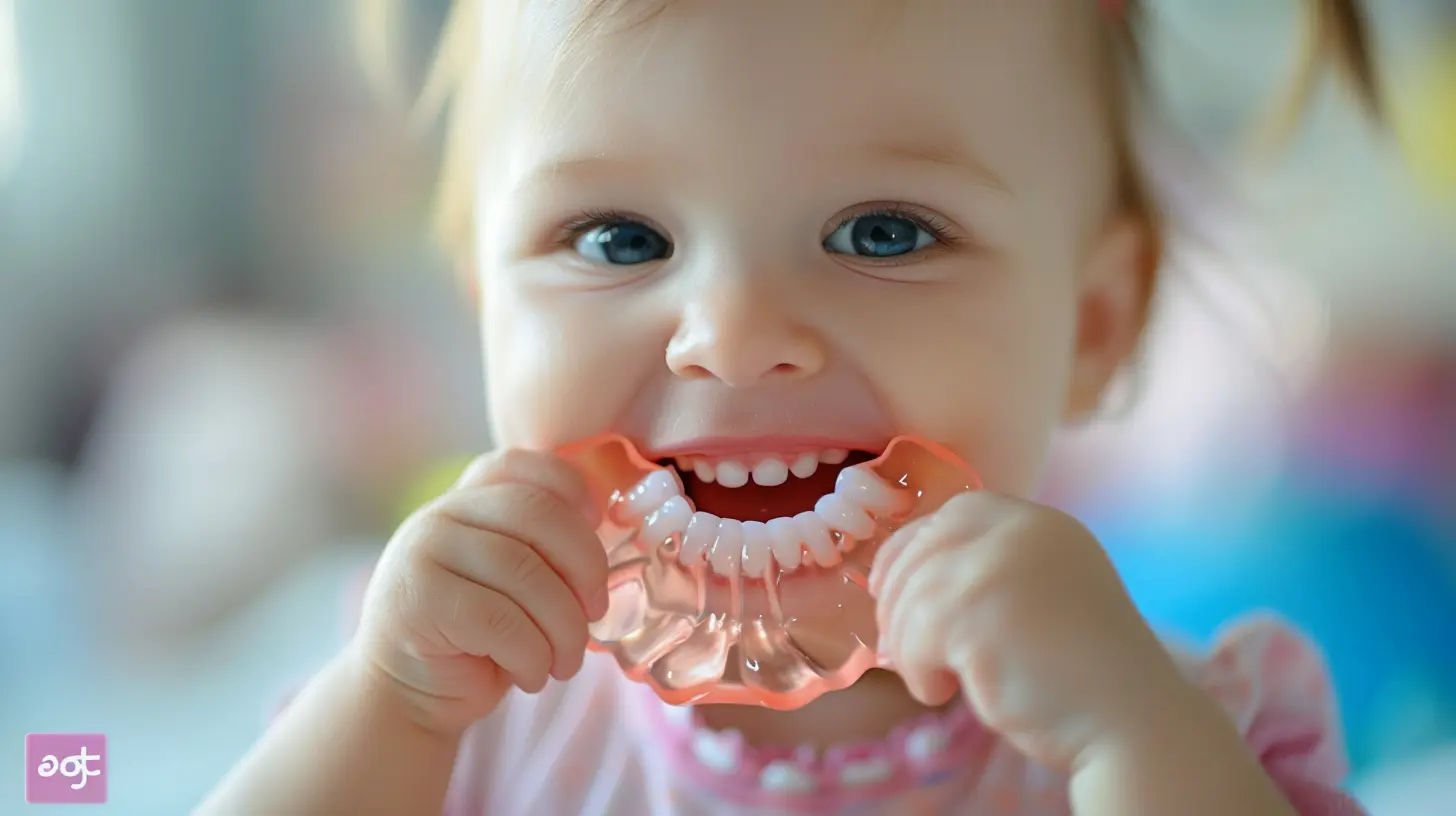
When Do Babies Start Teething?
Most babies start teething between 4 and 7 months, but some may begin earlier or later. Every child is different, so don’t stress if your baby doesn’t follow the “typical” timeline.The bottom front teeth (central incisors) are usually the first to make an appearance, followed by the top front teeth. From there, the rest gradually erupt over time, usually finishing by age 3.
If you’re unsure whether your little one is teething, keep an eye out for these common symptoms.

Common Signs of Teething
1. Excessive Drooling
If your baby suddenly turns into a little fountain, teething could be the reason. Teething stimulates saliva production, leading to constant drooling. While this is completely normal, too much drool can sometimes cause a rash around the mouth, chin, and even their chest.💡 Tip: Keep a soft bib handy and gently pat their skin dry to prevent irritation.
2. Increased Fussiness and Irritability
Your normally sweet baby might become fussier and clingier than usual. The discomfort of teeth pushing through the gums can make them cranky, restless, and harder to soothe.Some parents notice their baby is fussiest at night—probably because there are fewer distractions, making the discomfort more noticeable.
3. Biting and Chewing Everything
Babies naturally explore the world with their mouths, but during teething, this behavior goes into overdrive. They’ll gnaw on toys, blankets, and even their fingers to relieve the pressure in their gums.💡 Tip: Offer safe teething toys or a chilled (not frozen) washcloth to help ease the discomfort.
4. Swollen or Sore Gums
Take a peek inside your baby’s mouth. If the gums look red, swollen, or tender, it’s a sign that a new tooth is pushing through. Some babies may even have a small white bump where the tooth is about to emerge.5. Changes in Eating Patterns
Your baby might refuse to eat or drink because sucking on a bottle or nursing can make their gums even more sensitive. On the flip side, some babies want to nurse more for comfort.💡 Tip: If they’re struggling to eat, try offering a cold teething ring before feedings to numb their gums.
6. Sleep Disturbances
If teething pain is keeping your little one up at night, don’t be surprised! Just like adults struggle to sleep when they’re in pain, babies have a tough time, too. They may wake up more frequently and have trouble settling back down.💡 Tip: A gentle gum massage before bedtime can help soothe discomfort and encourage better sleep.
7. Pulling on Ears or Rubbing Cheeks
Babies don’t always know how to express pain, so they might pull at their ears or rub their cheeks because the discomfort from teething can radiate to other areas.However, ear pulling can sometimes indicate an ear infection, so if your baby also has a fever or excessive crying, check with a pediatrician.
8. Mild Fever
A very mild increase in body temperature (around 99°F to 100°F) is common with teething, but a high fever (above 100.4°F) is NOT caused by teething. If your baby has a high fever, check in with your doctor.💡 Tip: A cool washcloth or a lukewarm bath can help ease mild discomfort.
9. Diaper Rash or Loose Stools
Some parents notice that teething coincides with looser stools or even a diaper rash. While there’s no scientific proof linking teething to diarrhea, excessive drooling can make stools slightly runnier.💡 Tip: Keep diaper changes frequent and use a barrier cream to prevent irritation.

How Long Does Teething Last?
Teething isn’t a one-and-done situation. Each tooth takes about 1 to 2 weeks to break through, and since babies get 20 baby teeth, this process can go on for a while—though not continuously.The good news? The first few teeth are usually the hardest. As your baby grows, they’ll get used to the sensation, and teething may become less of a struggle.

How to Soothe a Teething Baby
Seeing your baby uncomfortable is heartbreaking, but luckily, there are plenty of ways to help ease their pain.1. Offer Teething Toys
Rubber teething rings or silicone teething toys give babies something safe to chew on. Just avoid liquid-filled ones, as they can break open.2. Use a Cold Washcloth
Dampen a clean washcloth and put it in the fridge for a bit. The coolness helps numb sore gums.3. Gentle Gum Massage
Wash your hands and gently rub your baby's gums with a clean finger. The counter-pressure can relieve pain.4. Chill Spoons or Teething Rings
A chilled spoon (not frozen) can be a great way to soothe sore gums. Just let your baby gnaw on it under supervision.5. Try Breastfeeding or Bottle Feeding
Some babies find comfort in nursing, while others might get fussier. If nursing seems to help, go for it. If drinking from a bottle is too painful, try a different feeding position.6. Pain Relief (If Needed)
If your baby is really struggling, ask your pediatrician about infant acetaminophen or ibuprofen (for babies over 6 months). Avoid teething gels with benzocaine, as they can be harmful.When to See a Doctor
While teething brings plenty of discomfort, it shouldn’t cause severe illness. If your baby has:- A fever over 100.4°F
- Severe diarrhea or vomiting
- Unusual lethargy
- A rash that spreads beyond the mouth and chin
It’s best to check with your pediatrician to rule out other issues.
Final Thoughts
Teething might feel like a rollercoaster, but it’s just another phase in your baby’s growth. With a little patience, a lot of cuddles, and some handy teething tricks, you’ll both get through it just fine.Remember, those first tiny teeth won’t be tiny for long—so even though teething can be tough, cherish the moments (drool and all)!
all images in this post were generated using AI tools
Category:
Teething BabyAuthor:

Kelly Snow
Discussion
rate this article
2 comments
Cody Romero
Great insights! Teething can be tough on both babies and parents. Understanding the signs really helps in managing this challenging phase.
March 21, 2026 at 5:29 AM
Kelly Snow
Thank you! I'm glad you found the insights helpful. Teething can indeed be a challenging time for everyone involved.
Allegra Jacobs
Great tips! Teething can be tough—thank you for sharing!
March 18, 2026 at 5:41 PM
Kelly Snow
Thanks for your feedback! Teething can indeed be a challenge, but knowing the signs helps. Glad you found the tips useful!