Teething and Diarrhea: Is There a Link?
31 July 2026
Ah, teething—one of the first big hurdles in your little one's life. It's a rite of passage for every baby (and every exhausted parent). The drool, the crankiness, the constant need to chew on anything and everything—sounds fun, right? But what about diarrhea? Many parents swear that teething brings on the dreaded loose stools.
Is there actual science behind this, or is it just another old wives’ tale passed down through generations? Let’s dig into the truth behind teething and diarrhea and what you can do to keep your baby comfortable.
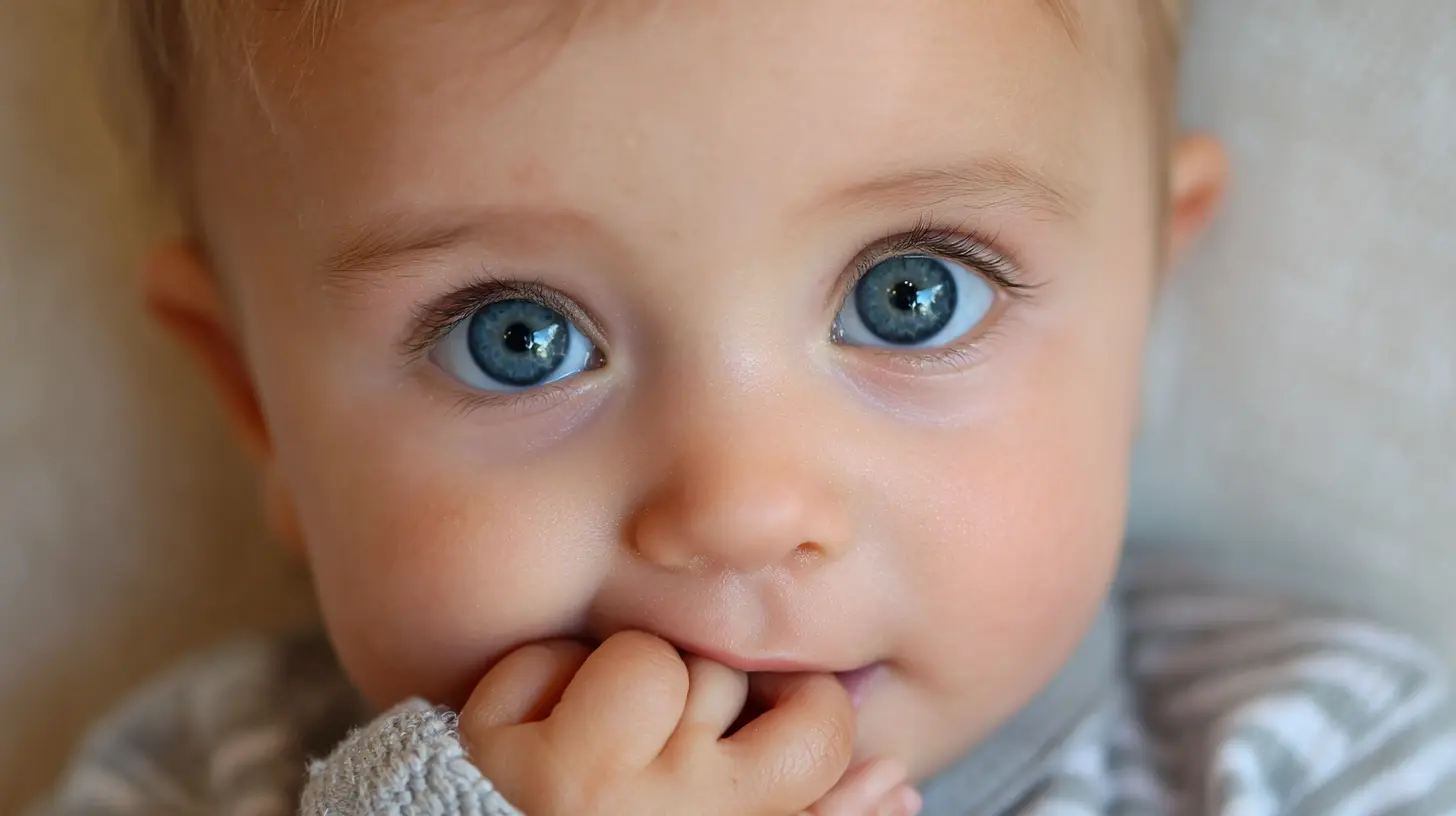
What Exactly Is Teething?
Before we dive into the poop talk (yes, we’re going there), let’s do a quick refresher on teething.Teething typically starts around 4 to 7 months of age, though some babies begin earlier or later. The first teeth to appear are usually the bottom central incisors (aka the tiny front teeth). By the time your little one is 3 years old, they should have a full set of 20 baby teeth.
Common Teething Symptoms
When a tooth is about to break through the gums, your baby might experience:- Excessive drooling (time to invest in lots of bibs)
- Constant chewing on fingers, toys, or anything within reach
- Fussiness and irritability (hello, sleepless nights!)
- Red, swollen gums
- Slight temperature increase (not quite a fever, but noticeable)
- Loss of appetite
But what about diarrhea? Is this truly a symptom of teething, or is something else going on?
The Teething and Diarrhea Debate
Many parents swear their baby gets diarrhea whenever a new tooth is coming in. But according to pediatricians, there’s no direct scientific evidence linking teething to diarrhea.So why do so many babies seem to experience tummy troubles when a tooth is on the way? While teething itself might not cause diarrhea, a mix of factors could contribute to those loose stools.
Possible Reasons for Diarrhea During Teething
1. Increased Saliva Production
Teething causes excessive drooling, and all that extra saliva doesn’t just disappear—it’s swallowed. This can sometimes speed up digestion, leading to looser stools.Think of it as your baby’s digestive system getting a little "slippery" from all the extra saliva. While it’s not full-blown diarrhea, it can make poop seem a bit runnier than usual.
2. Germs, Germs, and More Germs
Teething babies love to chew on everything—from teething rings to their own feet (yes, really). But this also means they’re introducing more germs into their mouths, increasing the risk of infections that could lead to diarrhea.Their little immune systems are still developing, so they might pick up a mild stomach bug while teething. If your baby is also vomiting, has a high fever, or seems excessively lethargic, it’s worth checking with your pediatrician.
3. Dietary Changes
As babies grow, they start experimenting with solid foods. Sometimes, the timing of teething coincides with new dietary introductions, which can result in digestive changes. A sensitive tummy might produce looser stools as it adjusts.4. Coincidental Timing
The age when teething begins (around 4-7 months) is also the time when babies lose maternal antibodies and become more prone to infections. So, your baby's diarrhea might not be from teething at all—it could simply be a tummy virus making the rounds.
How to Tell If It’s Teething or an Illness
While teething can cause some mild digestive changes, actual diarrhea can be a sign of something else. So, how do you know if it’s just teething or a real concern?Here’s what to watch for:
| Symptom | Teething | Illness |
|------------------|------------|------------|
| Loose Stools | Maybe (mild) | Yes (frequent, watery) |
| High Fever | No (mild temp rise only) | Yes (above 100.4°F) |
| Vomiting | No | Yes |
| Severe Dehydration | No | Yes (dry lips, fewer wet diapers) |
| Blood or Mucus in Stool | No | Yes (call your pediatrician) |
If your baby has severe diarrhea, a high fever, or signs of dehydration (such as fewer wet diapers or a dry mouth), it's best to consult your doctor right away.
How to Soothe a Teething Baby
Whether or not teething is causing loose stools, one thing is certain—your baby needs relief! Here are some tried-and-true teething remedies:1. Cold Teething Toys
Chilled (but not frozen) teething rings can help soothe irritated gums. You can also try a clean, cold washcloth for your baby to gnaw on.2. Gentle Gum Massage
Wash your hands and gently rub your baby’s gums with a clean finger. They might initially resist, but many babies find gum massages soothing.3. Teething Biscuits or Chilled Foods
If your baby has started solids, offering a chilled banana or a teething biscuit can provide some comfort. Just be sure to supervise closely to prevent choking.4. Over-the-Counter Remedies
If your baby is especially fussy, ask your pediatrician about pain relievers like infant acetaminophen or ibuprofen (if they’re over six months old). Avoid teething gels with benzocaine, as they can be harmful.5. Extra Snuggles
Sometimes, the best medicine is a little extra love and comfort. Teething can be tough on babies (and parents), so if your little one needs extra cuddles, go for it!When to Call the Pediatrician
While mild diarrhea isn’t necessarily a cause for concern, you should reach out to your doctor if:- Diarrhea lasts more than two days
- There’s blood or mucus in the stool
- Your baby has a high fever (above 100.4°F)
- They show signs of severe dehydration (few wet diapers, sunken soft spot, extreme fussiness)
- Vomiting accompanies diarrhea
Always trust your instinct—when in doubt, a quick call to the pediatrician can give you peace of mind.
The Bottom Line
So, does teething cause diarrhea? Not exactly. While teething itself isn’t to blame, it can lead to increased saliva, exposure to germs, and dietary changes, which might contribute to loose stools. But true diarrhea is more likely caused by a stomach bug or another underlying issue.If your baby has mild loose stools and is otherwise happy, teething could be the culprit. But if symptoms seem severe or unusual, it’s always best to check with your doctor.
In the meantime? Stock up on bibs, teething toys, and maybe some coffee for yourself—because teething is a wild ride!
all images in this post were generated using AI tools
Category:
Teething BabyAuthor:

Kelly Snow