The Best Sleep Training Techniques for Multiples: Twins and More
17 December 2025
Raising multiples—twins, triplets, or more—is a wild ride, isn’t it? Twice (or triple) the love, cuddles, and smiles… but also twice the diapers, feedings, and yes, night wakings. If you’re knee-deep in sleepless nights and wondering how on earth you'll get two (or more) babies on the same sleep schedule, you’re in the right place. Sleep training multiples is a different ball game than sleep training a single baby, but don’t worry—you’re not alone and it’s absolutely doable.
In this guide, we’re diving deep into the best sleep training techniques for multiples, with practical, real-world tips from parents who’ve been there. So grab that lukewarm cup of coffee (we know you’ve been reheating it all morning), and let’s talk sleep.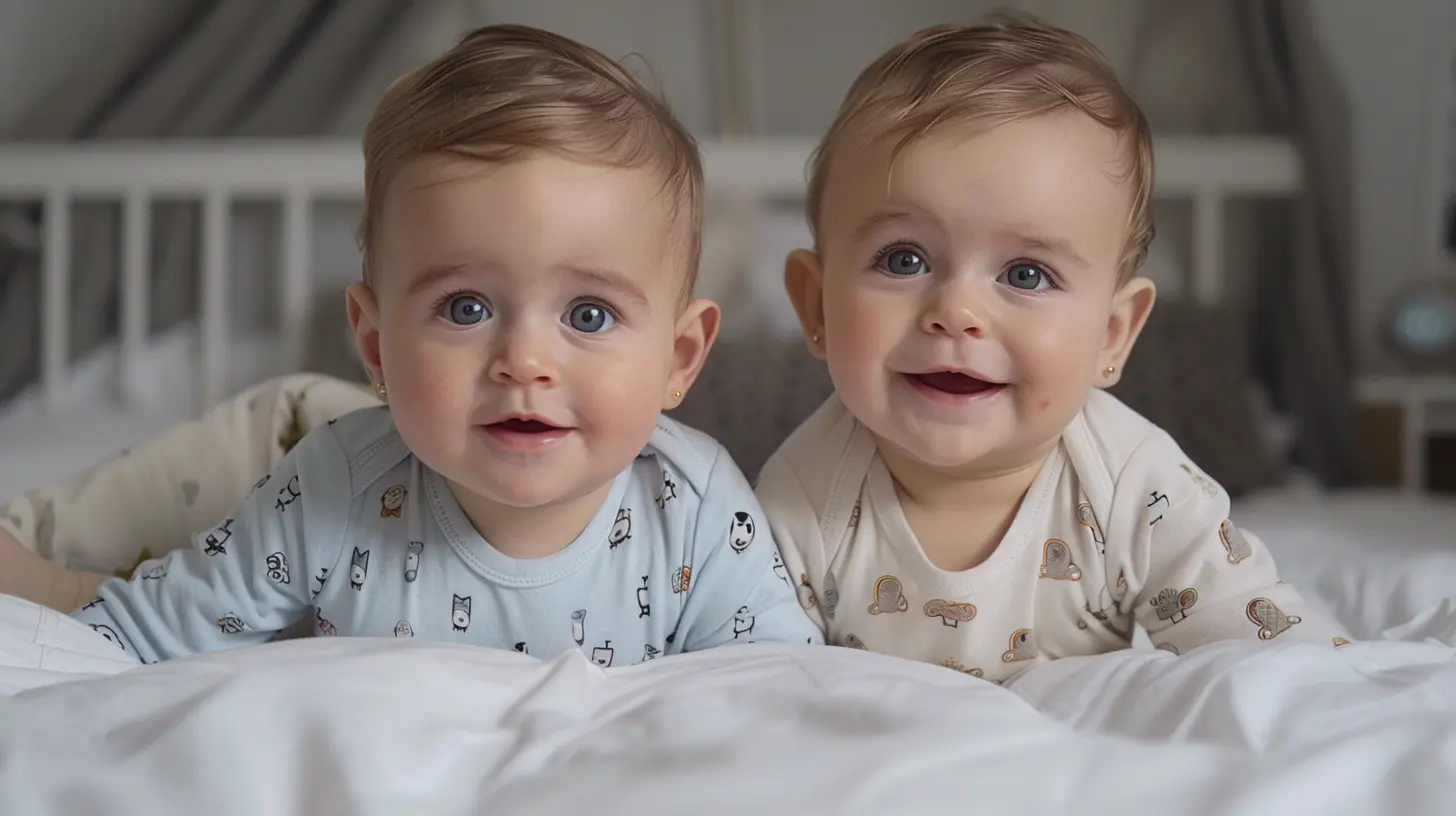
Why Sleep Training Multiples is a Whole Different Beast
When you’re working with one baby, you can pick up on their cues more easily. With multiples, you’re juggling different cries, feeding times, sleep patterns—and it can feel like a constant game of Whack-a-Mole.Sleep training for multiples isn't about one-size-fits-all. It’s about finding balance, syncing routines, and preserving your sanity. Think of it like conducting an orchestra. Each baby is an instrument and your goal is to get them to play in harmony (or at least not scream in unison at 3 a.m.).
Can You Even Sleep Train Twins or Triplets?
Absolutely! Babies—whether there’s one or five—crave structure. It comforts them. The idea that "you can’t sleep train more than one at a time” is a myth. In fact, training them together is often the most effective route, because consistency breeds comfort—and consistency is a lot easier when everyone’s on the same page.That said, it does take a little creativity (and a whole lot of patience).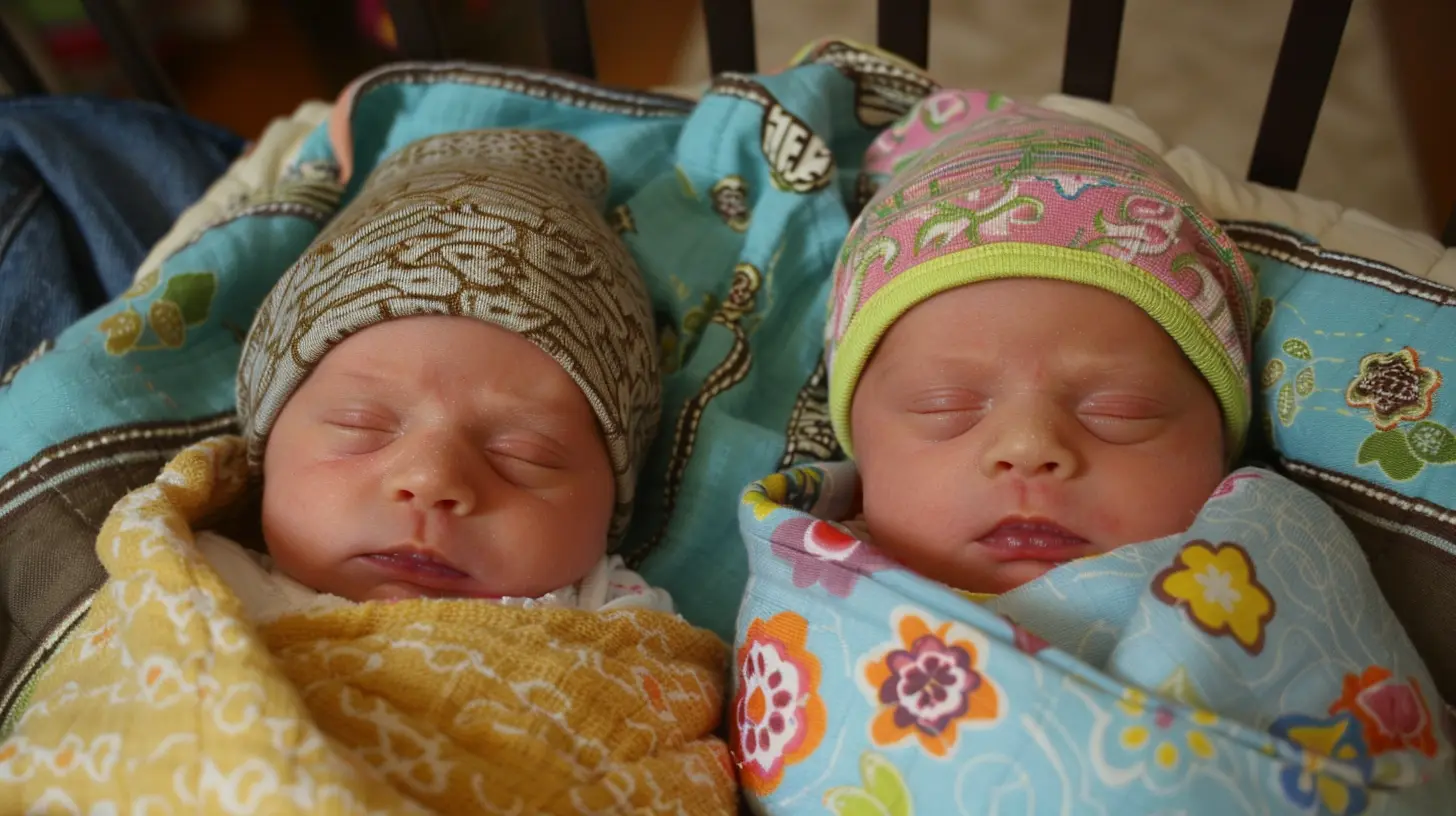
When Should You Start Sleep Training Multiples?
This depends on your babies’ developmental readiness, not just their age. Most pediatricians give the green light around 4 to 6 months, when babies can self-soothe and don’t need to eat every couple of hours through the night.But don’t stress if your twins are six months and still waking up like newborns—that’s normal too. Every baby moves at their own pace. The key is watching for signs of readiness:
- Are they gaining weight steadily?
- Are they taking consistent naps during the day?
- Are they showing signs they can fall asleep independently?
If you’re seeing these signs in both (or all) of your babies, you’re good to get started.
Important Pre-Training Prep Steps
Before jumping into any method, a little groundwork can go a long way. Here’s what you’ll want to square away before diving into sleep training:1. Sync Their Schedules
This is HUGE. If one baby naps and the other is wide awake, you’re stuck in an endless cycle. Your first mission is to get them on the same feeding and sleeping schedule.Start by waking both babies at the same time in the morning. Feed them together if you can (it’s a bit of an acrobatic act at first, but you’ll get the hang of it). Naps and bedtime should be aligned within 15-30 minutes of each other.
Sure, one baby might be more tired than the other—but over time, their internal clocks will sync up.
2. Create a Calming Sleep Environment
Dark rooms, white noise, and a consistent bedtime routine can make a world of difference. Babies thrive on routine—it’s their way of making sense of the world.Keep their sleep environment cool, dark, and quiet. A white noise machine is your best friend when one baby is wailing and the other is trying to stay asleep. It acts as a buffer and reduces the chance of one waking the other.
3. Choose a Sleep Training Method That Fits Your Parenting Style
There’s no “perfect” method, only the one that works best for your family. Let’s go over a few popular techniques that have had success with multiples.Top Sleep Training Techniques for Multiples
1. The Ferber Method (Graduated Extinction)
Don't let the name scare you. The Ferber Method is basically a gentle version of CIO (Cry It Out) where you let your babies fuss for short, timed intervals before comforting them. You gradually increase the amount of time between check-ins.How it works with multiples:
- Put both babies down awake.
- If one cries, wait a set time before going in (say, 3 minutes).
- Soothe without picking up, then leave.
- If the other baby starts crying too, you follow the same steps.
The aim? Let them learn to fall asleep without you holding them. Over time, the crying usually decreases and sleep improves.
Pro tip: If one baby is especially sensitive, you can consider a staggered approach—fully train one, then the other. Just be consistent.
2. Chair Method (For Parents Who Don’t Like Crying)
This one is great if the idea of leaving your baby crying makes your skin crawl.You sit in a chair next to the crib as your baby learns to fall asleep. Every few nights, you move the chair further away until you're out of the room.
How it works with multiples:
Sit between the cribs or bassinets. Use a soft shush or comforting voice. Avoid picking them up unless totally necessary. You’re there, offering comfort, but not sleep props.
It’s slower than Ferber, but it can be kinder on your nerves (and theirs).
3. Pick Up, Put Down (Gentle But Works)
This method involves picking up the baby when they cry, soothing them, and then putting them down while drowsy but still awake.How it works with multiples:
Tag team if you have a partner! One parent handles one baby, the other addresses the second. If you’re solo, it’s okay to prioritize who needs comforting most, then rotate.
The key is offering comfort but teaching self-soothing. Over time, they’ll start relying more on their own ability to settle.
4. Scheduled Awakenings (Preempt Night Wakings)
This technique sounds a little counter-intuitive (wake them up ON PURPOSE?!), but it can be a game-changer for babies who wake like clockwork.How it works:
If you notice one or both babies wake up at 2 a.m. every night, set an alarm for 15 minutes before they usually stir. Gently rouse and comfort them, then let them settle back. This can “reset” their internal clocks.
Over a week or two, you gradually stop waking them—and voila! They may sleep through that dreaded hour.
Should You Separate Multiples While Sleep Training?
This is one of the biggest questions from parents of twins and triplets: should I put them in different rooms while training?There’s no black-and-white answer here. Some babies are super sensitive to their sibling’s cries; others are completely unfazed.
If one baby’s sleep issues are severely affecting the other, a temporary separation may help. But for many families, keeping them in the same room works fine—they get used to each other’s sounds, and it can help with bonding.
Remember: babies are surprisingly adaptable.
Real Talk: It Won’t Be Perfect, and That’s Okay
Look, you’re not going to nail it every night. Some nights everyone will be crying (including you), and you’ll feel like you’re doing it all wrong. That’s just part of the ride.Sleep training multiples takes longer. It’s messier. But the sweet relief when they all finally drift off at the same time? Worth. It.
Here’s what worked for many parents:
- Stick with it. Don’t bail after two bad nights.
- Adapt, but don’t overhaul your approach every 48 hours.
- Celebrate small wins (like a 3-hour stretch of sleep—hallelujah!).
You’ve got this.
Tips from Twin Parents Who’ve Been There
We asked real parents what advice they'd give to someone just starting their sleep training journey with multiples. Here's what they said:> "Make sure both you and your partner are on the same page. Switching up strategies confuses everyone—including the babies."
> "White noise and blackout curtains were our lifesavers. Seriously, don’t underestimate them."
> "Start small. We just worked on getting naps synced first before night sleep. Don't try to do it all at once."
> "Ask for help when you're burned out. Some nights we brought in grandma just to hold one baby while we worked with the other."
You are not failing if you need support. You’re just being smart.
Final Thoughts: Sleep Training is a Journey, Not a Sprint
Sleep training multiples is one of the harder parenting challenges out there—but it is also one of the most rewarding. When you finally lay both (or all) babies down, and the house goes silent… that’s pure magic.Be flexible. Trust your gut. And know that you’re doing a phenomenal job. These babies might not thank you now, but future-you (and your coffee habit) definitely will.
all images in this post were generated using AI tools
Category:
Sleep TrainingAuthor:

Kelly Snow
Discussion
rate this article
2 comments
Calaris Cannon
This article offers practical and effective sleep training techniques specifically for twins and multiples. The strategies are clear and relatable, making it easier for parents to find a routine that works for their family.
December 30, 2025 at 5:04 AM
Kelly Snow
Thank you for your feedback! I'm glad you found the techniques relatable and helpful for managing sleep with twins and multiples.
Mateo McKenzie
Sleep training multiples? It’s like herding cats on roller skates! Grab your magic wand (or a coffee IV), because with the right techniques, you might just unlock the enchanted realm of synchronized snoozing!
December 18, 2025 at 5:40 AM
Kelly Snow
Thanks for the humorous take! Sleep training multiples can be a wild ride, but with patience and the right techniques, synchronized snoozing is possible!