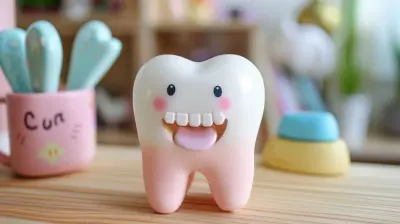
The Emotional Impact of Teething on Babies
5 August 2026
Let’s face it—teething is rough. Not just for your little one, but for you too. Maybe you’ve noticed your baby suddenly becoming fussy, drooling like there’s no tomorrow, biting everything in sight, or waking up in the middle of the night crying for no apparent reason. Teething can be such an emotional roller coaster—for both baby and parent.
But here’s something that often gets overlooked: the emotional impact of teething on babies. This isn’t just about sore gums or sleepless nights. Teething can stir up a storm of emotions in your baby, and understanding that can change how you approach this tricky milestone.
Let’s dive into the feelings behind those tiny teeth pushing through, and how you, as a parent, can make it all a little easier.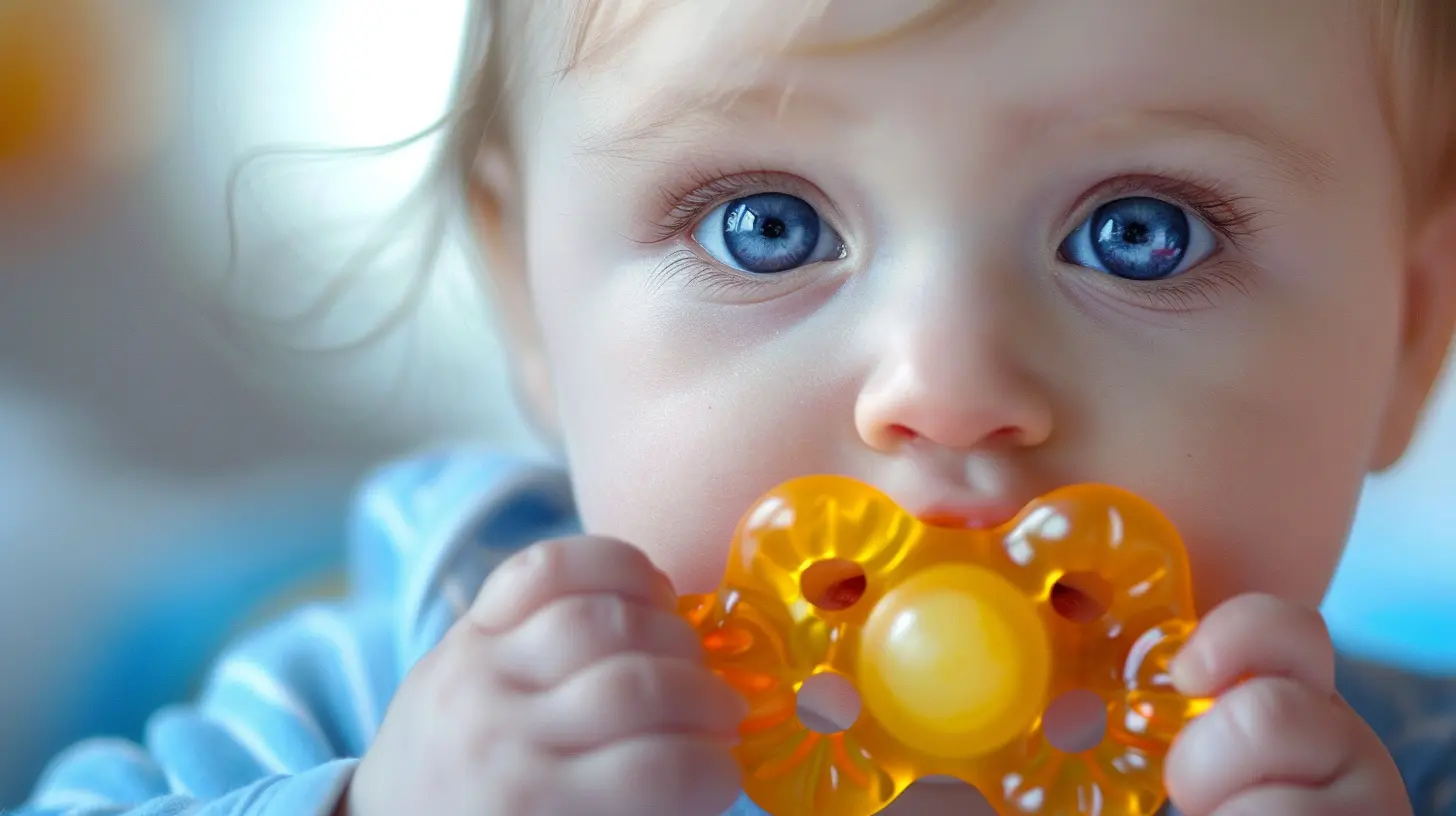
What Is Teething, Really?
Okay, so we know teething is when your baby’s teeth start coming in—usually around 6 months (though every baby dances to their own beat). The teeth start moving through the gum line, and that pressure and discomfort can cause all sorts of symptoms—drooling, biting, crankiness, disrupted sleep, even mild fevers.But there’s more to it than just the physical stuff.
While we often focus on the gums and the tears, teething impacts your baby's emotional well-being in a quiet, yet powerful way.
Why Teething Hits Babies So Hard Emotionally
Think about it from your baby’s point of view. They’re brand-new to this world and still trying to get a grip on it. Then, out of nowhere, this new sensation shows up—something they’ve never felt before.Imagine if you were suddenly hit with a strange pressure in your mouth that kept intensifying. You can’t talk. You don’t understand what’s happening. And your safe, cozy world now feels uncertain and uncomfortable.
Yep, that would get to you emotionally, too.
Here’s why teething is such an emotional upheaval for babies:
1. Confusion and Fear
Babies don’t know what teething is. All they know is they feel something weird, and it hurts. They might think something is wrong. That confusion can lead to fear, and fear can show up as clinginess, crying, or waking up screaming in the middle of the night.2. Loss of Control
For babies, comfort is about predictability. When teething arrives, it disrupts their routine. Suddenly feeding feels strange, sleep is broken, and everything tastes like drool. This disruption can make them feel out of control, which leads to—yep, you guessed it—emotional outbursts.3. Overstimulation
A teething baby’s senses are already on high alert. Add in swollen gums, constant drooling, and the need to chew on something, and it’s enough to overwhelm even the calmest of babies. That sensory overload? It can cause fussiness, restlessness, and crankiness galore.
Signs That Teething Is Affecting Your Baby Emotionally
Every baby shows their feelings differently, but here are some emotional and behavioral signs that teething might be getting to them more than you think:- Unusual clinginess – Baby won’t let you out of their sight? Separation anxiety tends to spike during teething.
- Sudden mood swings – One minute they’re giggling, the next, screaming.
- Frustration and irritability – Common, especially if they can’t soothe themselves by chewing or if they’re struggling to eat or sleep.
- Disrupted sleep – Waking up multiple times at night because they’re uncomfortable or emotionally unsettled.
- Less engagement – Some babies withdraw a bit or seem distant because they’re just not feeling like themselves.
If your baby seems “off” and none of the typical reasons apply (hungry, tired, wet), teething might be the emotional culprit.
How Teething Affects Parent-Child Bonding
Now here’s the twist—teething doesn't just affect your baby. It can put a strain on your emotional connection with them, too.You’re exhausted, they’re crying, and some days it just feels like nothing you do helps. It’s disheartening when your go-to snuggles, songs, and feeds don’t seem to bring comfort. You start to doubt yourself, second-guess your instincts.
But know this—your presence still matters. Even if you can’t make the pain go away, your calm voice and warm arms mean everything. Babies sense security from you, even if they can’t express it.
This period of teething can actually strengthen your bond in the long run, if you let it. You’re showing up for them when they need you the most. And that speaks volumes.
Helping Your Baby Through the Emotional Storm
Okay, so what can you do to help ease the emotional impact of teething?Let’s talk about real, practical stuff that works—not just for the gums but for the heart, too.
1. Offer Extra Comfort
Now’s the time for more cuddles, not less. Wear your baby in a carrier, rock them a little longer, or just hold them close. Skin-to-skin contact can be incredibly soothing and grounding.2. Stick to a Familiar Routine
Babies crave consistency, especially when they’re overwhelmed. Try to maintain their typical schedule as much as possible—meals, naps, bedtime rituals. These anchors help provide emotional stability.3. Use Soothing Tools
Teething rings, cold washcloths, or even a frozen banana (if they’re eating solids) can help soothe the gums and distract from discomfort. When babies can self-soothe, it can reduce frustration and fussiness.4. Talk It Out—Even If They Can’t Talk Back
Your voice can calm them. Narrate what’s happening in a soft and gentle tone: “Your gums are hurting, huh? That new tooth is trying to come in. I know it’s hard, but I’m here.” They might not understand the words, but they understand the emotion behind them.5. Stay Calm
Easier said than done, right? But your baby feeds off your energy. If you’re tense, they pick up on it. Take occasional breaks, tag-team with your partner, and remind yourself that this phase will pass.The Long-Term Emotional Effects of Teething
Here’s the good news—even though teething feels like it lasts forever, it won’t. And most babies won’t remember it at all. But your response during this challenging time can lay a foundation for emotional security.When your baby learns “I cry, and someone comforts me,” they are learning to trust. They're learning that discomfort is temporary and they’re not alone in it. These are the seeds of emotional resilience.
So while teething might not be your favorite stage (understandably!), it’s one of those hidden opportunities to build deeper trust and connection.
A Word on Empathy: Your Superpower as a Parent
If there’s one quality that gets you through teething—it’s empathy. Not just for your baby, but for yourself.You’re human. You’re going to feel frustrated, tired, and maybe a little guilty for not “fixing” the situation. But you’re not supposed to fix it all. You’re just supposed to be there.
Think of it like this: you’re the lighthouse in the storm. You can’t stop the waves, but you guide the way, offering comfort, consistency, and calm. That’s powerful.
Final Thoughts: This Too Shall Pass
Teething is one of those parenting rites of passage—messy, exhausting, tear-filled (for everyone), but ultimately temporary. Those little teeth will make their debut, and your smiley, giggly baby will return.But in the meantime, don’t underestimate the emotional toll teething can take on your baby. It’s not “just fussiness.” It’s confusion, discomfort, and a deep need for reassurance.
Your patience, your cuddles, your voice—they matter. Even when it feels like nothing’s working, your presence is the most powerful teething remedy of all.
So hang in there. You’ve got this. And more importantly, your baby’s got you.
all images in this post were generated using AI tools
Category:
Teething BabyAuthor:

Kelly Snow
Discussion
rate this article
1 comments
Tatianna Carrillo
Great insights on a challenging phase! Thanks!
August 6, 2026 at 2:24 AM