The Role of Nature in Improving Your Child’s Mental Health
22 April 2026
Let’s be real—modern parenting is no walk in the park (pun fully intended). Between juggling screen time limits, academic pressure, after-school activities, and of course, the constant digital noise flooding their little brains, kids today are dealing with way more stress than we probably did at their age.
Now, here’s a question for you: When was the last time your child got a full afternoon just to run barefoot on the grass, climb trees, make mud pies, or watch the clouds float by?
If you had to think twice, you’re not alone.
But more importantly, that pause might be doing more damage to your child’s mental health than you realize.
Let’s dive into the leafy greens of it all—because nature, yep, actual dirt-under-the-fingernails, birds-chirping, wind-on-your-face nature—isn’t just a nice thing. It’s essential. Especially for your child’s mental well-being.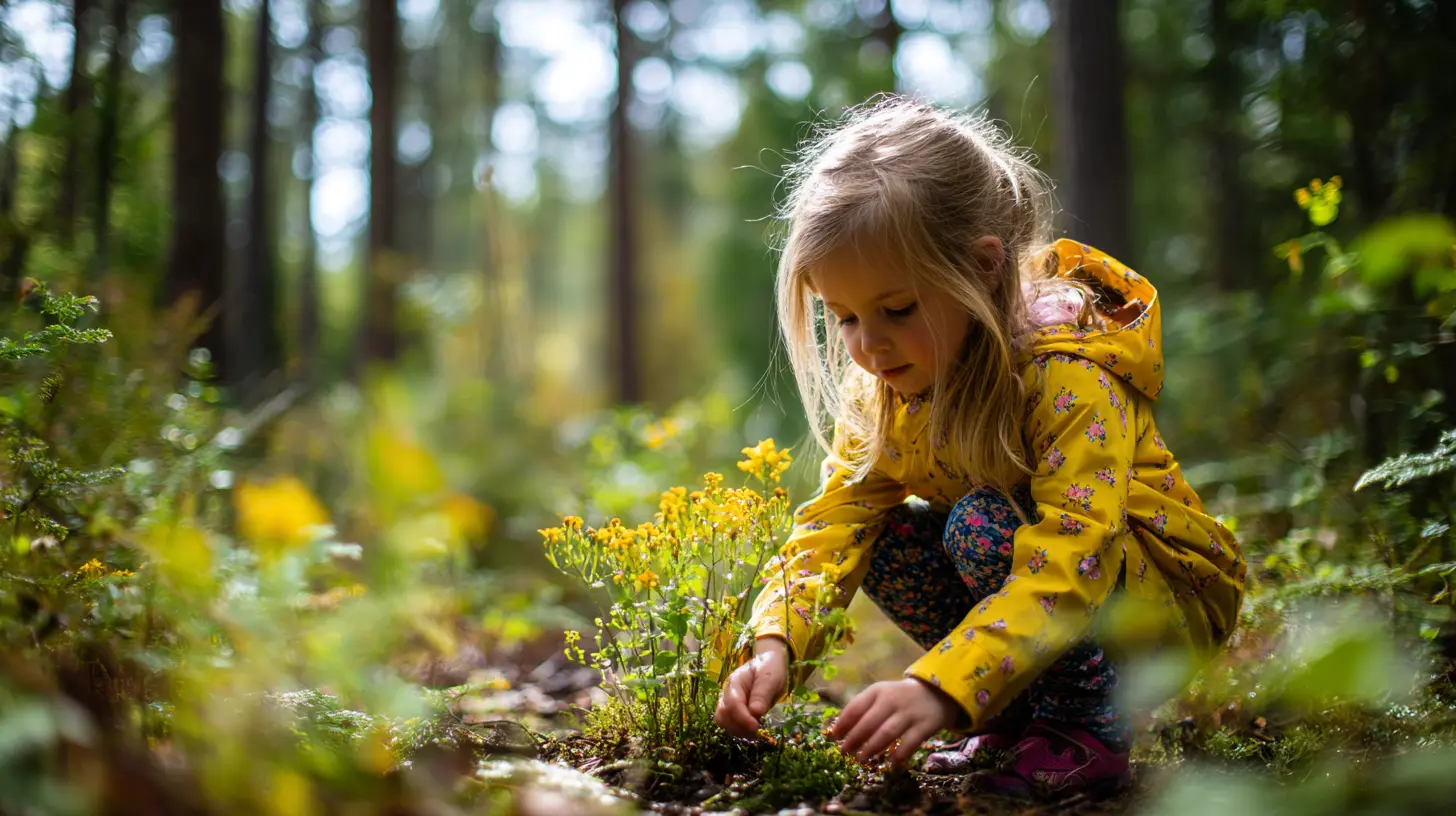
Why Mental Health Is a Big Deal for Kids Today
Before we wade through the wildflowers, let’s talk about what’s going on with kids' mental health these days. Anxiety, depression, attention issues—those aren’t just words we hear about adults anymore. They're affecting children at younger ages, and in higher numbers than ever before.According to the CDC, about 1 in 5 kids experience a mental health disorder each year. That’s not just a stat—it’s real life for millions of families.
Sure, genetics and life circumstances play a role. But so does lifestyle. And one often-overlooked part? The environment our children grow up in.
We’re raising kids in a world that’s becoming increasingly disconnected from the natural world—and their minds, quite literally, are feeling it.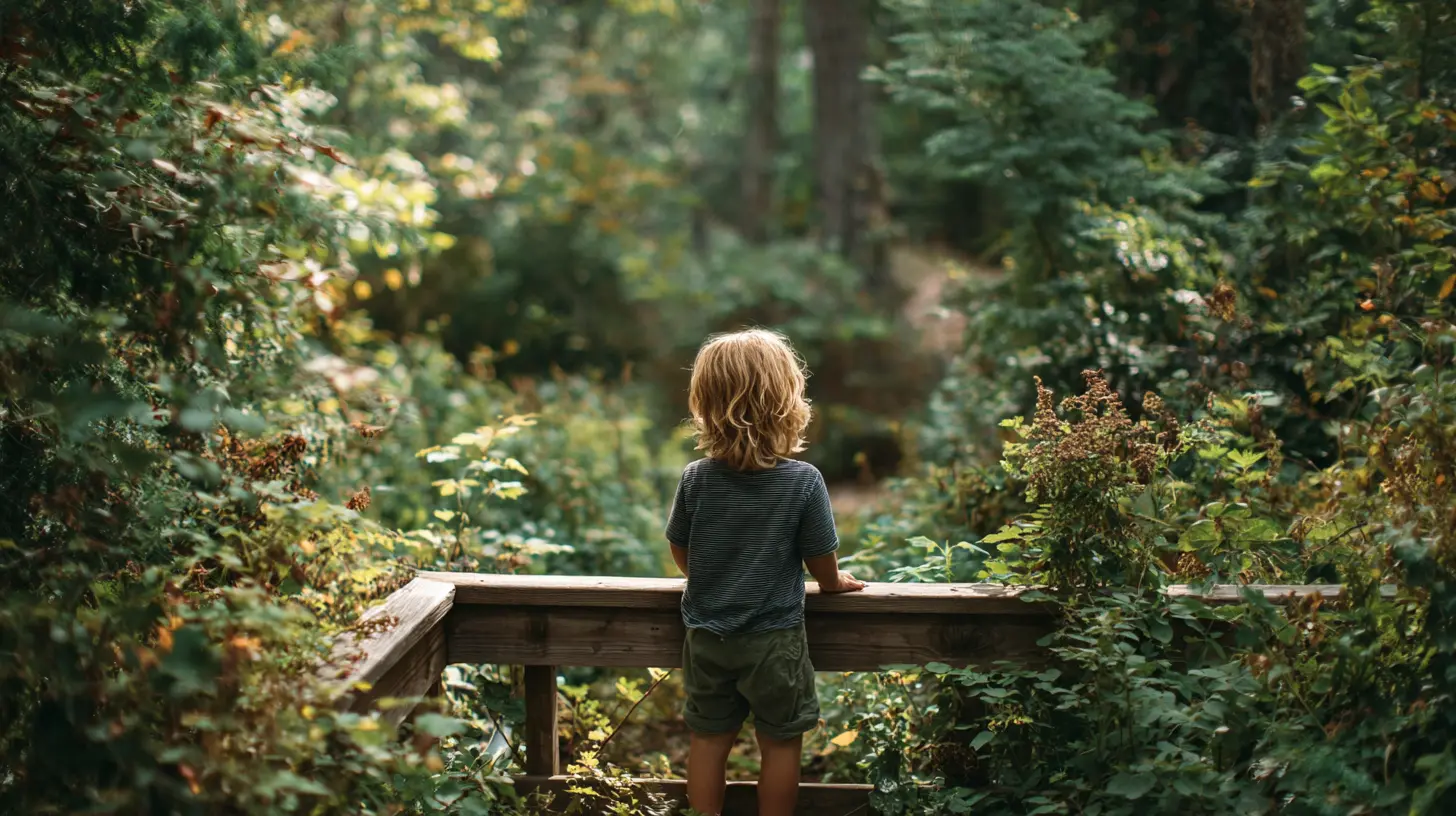
Nature: The Original Therapist
Here’s the cool part. Numerous studies have shown that spending time in nature directly supports better mental health in children (and adults too, for what it’s worth).But this isn’t just feel-good granola talk.
Nature lowers stress. It improves focus. It boosts mood. It encourages social interaction. And it fosters creativity. Seems like a pretty decent resume, right?
Let’s break down exactly how nature works its magic on the mind.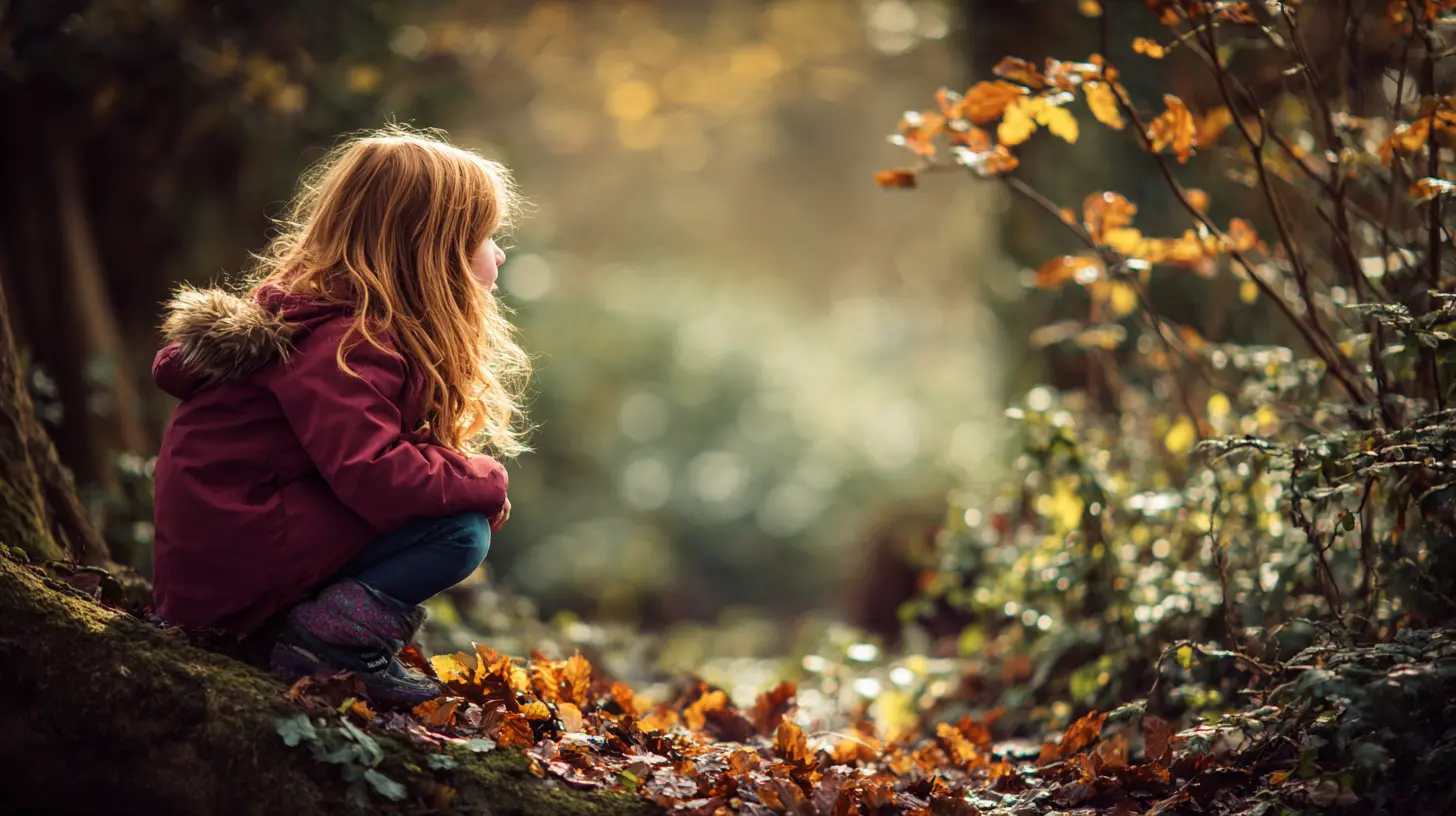
1. Nature Reduces Stress and Anxiety
Okay, back to basics. Ever notice how much calmer you feel after a walk in the park versus an hour scrolling social media? That’s not a coincidence.Being in nature reduces cortisol—the stress hormone. For kids, this means fewer meltdowns, better mood regulation, and the capacity to deal with daily pressures like a champ.
And guess what? It doesn’t take a week-long hike in the mountains. Even 20 minutes a day in a green space can show measurable benefits.
Think of it as a mental reset button—easy to access, free to use, and no app required.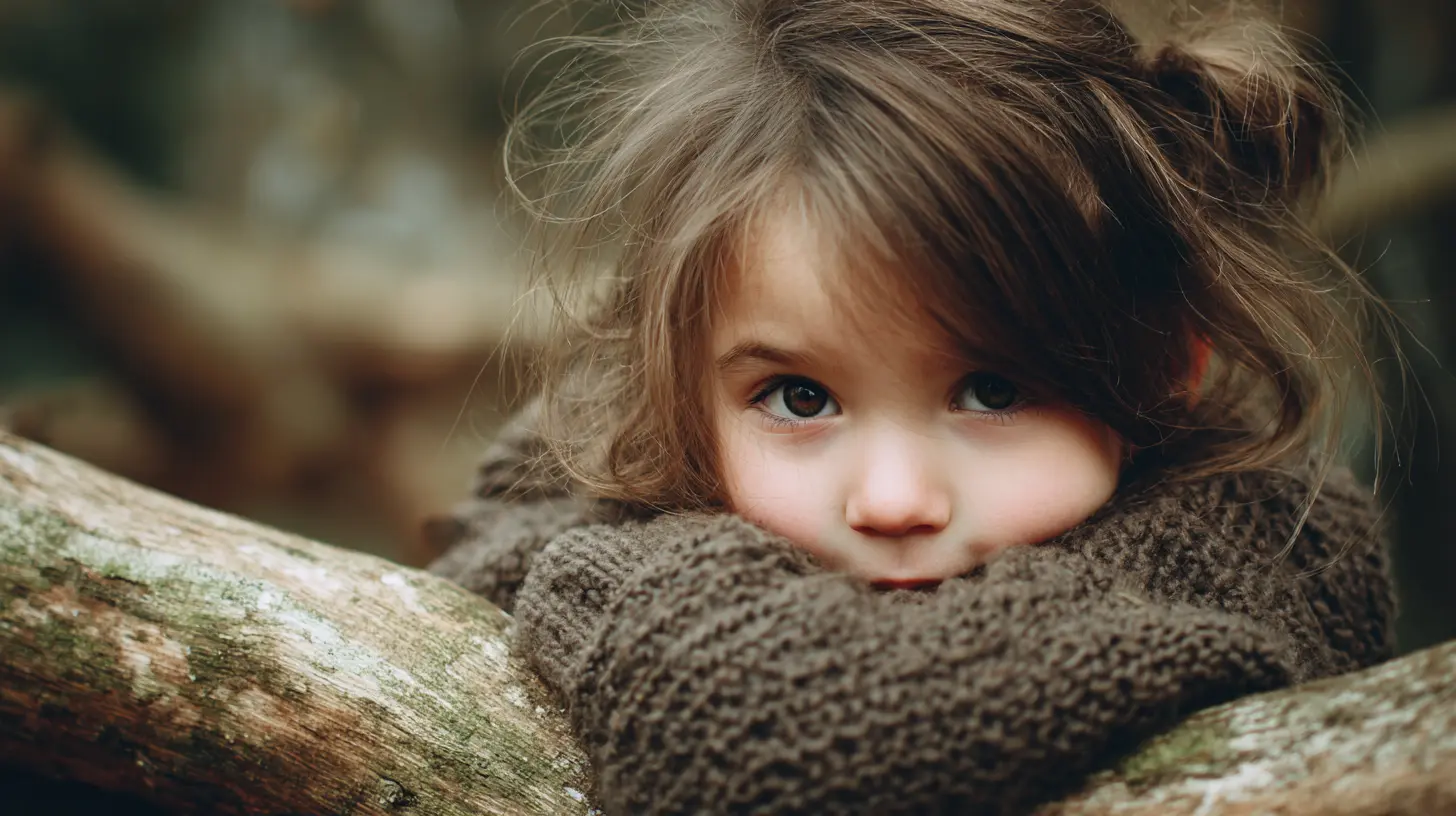
2. Nature Helps Kids Focus and Pay Attention
Let’s talk about attention spans (or the lack thereof). With screens constantly dinging and buzzing, it’s no surprise that focusing isn’t exactly a natural state anymore.But when kids spend time outside, something incredible happens.
Enter “Attention Restoration Theory” (ART). It’s a fancy name for a simple idea: time in natural environments helps refuel the part of the brain responsible for concentration and focus.
In other words, if your kid is bouncing off the walls or struggling to stay on task, what they might actually need isn’t more tutoring—but more trees.
3. Nature Promotes Emotional Regulation
Ever see a toddler throw a tantrum at the grocery store and then magically calm down after playing in the yard? That’s not coincidence.Nature works wonders for emotional regulation. Natural settings have a grounding effect. They help kids feel more in control of their emotions, more balanced, and less reactive.
This is huge in a world where emotional resilience can make or break a child’s mental health journey.
4. Nature Encourages Social Skills and Reduces Loneliness
Unstructured outdoor play? It’s basically a secret social skills training program.Kids learn cooperation, negotiation, empathy, and leadership without even realizing it. Whether they’re building forts, playing tag, or pretending to be explorers, they’re engaging in the kind of social development that no app can replicate.
Plus, being outside in shared spaces means actual human interaction—not just digital likes and emojis.
5. Nature Sparks Creativity and Imagination
Give a kid a stick and a pile of leaves, and they’ll turn it into a spaceship, a wand, or a dinosaur habitat.Nature doesn’t come with instructions—and that’s the beauty of it. It forces children to invent, imagine, and create entirely new worlds. That kind of mental flexibility is a major asset for emotional health, problem-solving, and confidence-building.
Turns out, the best toys might not be toys at all.
6. Nature Improves Sleep (And That’s a Big Deal)
Sleep and mental health go together like peanut butter and jelly. And guess what helps promote better, deeper, more restful sleep?Yup. Nature.
Exposure to natural light during the day helps regulate your child’s circadian rhythm, which means they fall asleep easier and wake up more refreshed.
Tired, cranky brains don’t cope well. Well-rested ones? Totally different story.
7. Nature Builds Mindfulness and Presence
Mindfulness isn’t just for yoga retreats. Encouraging your child to be present in the moment—to actually feel the wind, hear the birds, smell the flowers—is like giving their busy brain a moment of peace.Being in nature invites stillness. It helps them slow down and be, rather than always do. That’s a powerful tool in managing anxiety and boosting emotional well-being.
How Much Nature Do Kids Really Need?
Look, you don’t have to move to a log cabin in the woods. But small, consistent doses of nature can have lasting impacts.Aim for at least 20–30 minutes of outdoor time each day. That can look like:
- Walking to school instead of driving.
- Playing catch in the backyard after dinner.
- Visiting a local park on weekends.
- Turning off the TV and exploring a nearby hiking trail.
- Gardening together—even a few potted plants on your balcony count.
And if you can squeeze in a weekend camping trip or nature-focused vacation? Bonus points. But don’t underestimate the power of the everyday.
Making Nature Part of Your Family’s Routine
It’s easy to say "go outside more"—but how do you actually fit it into your family’s packed schedule?Here are a few practical ways to weave nature into your daily life:
? 1. Create Nature Rituals
Maybe it’s a 10-minute morning walk before school. Or reading bedtime stories outside when the weather is nice. Make it predictable. Make it sacred.? 2. Use Nature as a Reward
Finished homework early? Let’s ride bikes to the park! Instead of more screen time, offer outdoor adventures as incentives.? 3. Bring Nature Inside
On rainy days, collect leaves, pinecones, or rocks and start a nature table. Or let your child water and care for houseplants. Nature can be part of the indoor experience too.? 4. Lead by Example
Kids do what they see. If you want them outside, you’ve gotta be outside too. So strap on those sneakers and let them see you enjoying it.? 5. Make It Fun
Don’t turn nature time into a chore. Get silly. Play games. Turn it into a scavenger hunt. Laugh a lot. That’s what they’ll remember.But What If You Live in the City?
No forest nearby? No problem.Nature isn’t just vast wilderness. It can be a community garden, a park bench under a tree, a bird feeder outside your window.
Urban nature is still nature.
It’s about noticing and appreciating what’s around you. Even in cities, birds sing. Leaves change color. Clouds dance. Start there.
Final Thoughts: Nature Is Nurture
Here’s the bottom line: your child doesn’t need more stuff. They need more sky. More space. More quiet. More freedom to be messy, wild, and alive.Nature doesn’t just entertain—it heals. It teaches. It protects. And in today’s high-stress, high-stakes world, it might just be the most powerful mental health tool we’ve got.
So the next time your child feels overwhelmed, out of sorts, or just needs a break from the noise—open the door. Go outside. And watch what happens.
Because nature? It’s more than a pretty backdrop. It’s therapy. It’s medicine. It’s home.
all images in this post were generated using AI tools
Category:
Mental HealthAuthor:

Kelly Snow
Discussion
rate this article
2 comments
Zella Flores
Getting kids outside can work wonders for their mental health. Nature offers a calming environment that encourages exploration and creativity, helping children feel more grounded and connected.
May 7, 2026 at 4:20 PM
Kelly Snow
Absolutely! Nature provides a unique space for kids to thrive, fostering their creativity and connection to the world around them. It's truly beneficial for their mental health.
Liam McLaughlin
Nature nurtures our children's minds—let's cherish those moments for their well-being.
April 24, 2026 at 3:47 AM
Kelly Snow
Absolutely! Nature plays a vital role in children's development. Those moments in the outdoors are crucial for their well-being.