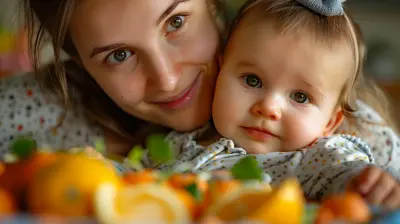
Tips for Finding Affordable and Safe Secondhand Baby Gear
17 June 2026
Let’s be real—babies are expensive. From diapers to doctor visits, the cost of raising a tiny human stacks up fast. One of the easiest ways to save some serious cash is by buying secondhand baby gear. But hold up—it’s not just about snagging a good deal on a used stroller. You want to make sure that what you're buying is both affordable and safe.
If you’re a parent-to-be or a seasoned pro looking to save a few bucks, this guide is for you. We're diving into real, tried-and-true tips that’ll help you score budget-friendly baby items without compromising your baby’s safety. Ready? Let’s get into it.
Why Go Secondhand?
Before we talk tips, let’s take a minute to understand why secondhand is a parenting game-changer.Budget-friendly? Absolutely.
A new car seat can run you hundreds of dollars. But a gently-used one could cost a fraction—as long as it’s safe.
Eco-conscious? You bet.
Buying secondhand keeps stuff out of landfills, which means you’re doing the planet a solid.
Babies grow fast.
They outgrow clothes, cribs, and toys faster than you can say “teething.” Secondhand helps you keep up—without maxing out your credit card.
1. Know What’s Safe (and What’s Not)
Not all baby items are created equal when it comes to safety. Some gear should never be bought used. Here’s a quick cheat sheet:✅ Safe to Buy Secondhand:
- Clothing- Swings and bouncers (check belts and buckles)
- Strollers (unless recalled or damaged)
- High chairs (with all straps and buckles)
- Baby bathtubs
- Toys (make sure small parts are secure)
❌ Better to Buy New:
- Car seats (unless you fully trust the source)- Cribs (older models may not meet safety standards)
- Breast pumps (unless it’s a closed system)
- Pacifiers and bottle nipples
- Crib mattresses (bacteria and mold can hide inside)
Rule of thumb: If it impacts your baby’s health or safety directly—like sleeping or car travel—err on the side of caution.
2. Check for Recalls Like a Hawk
Before you even think about swiping your card or handing over cash, check if the item has been recalled. Manufacturers recall baby gear all the time due to issues like choking hazards or faulty parts.How to check? Easy:
- Head to the Consumer Product Safety Commission (CPSC) website.
- Plug in the item’s brand and model.
- See if it’s on the naughty list.
If it is? Walk away. No price is worth risking your baby’s safety.
3. Inspect Every Nook and Cranny
You wouldn’t buy a car without checking under the hood, right? Same goes for baby gear. When you’re buying used, especially in person:- Look for cracks, rust, or broken parts.
- Make sure straps, buckles, and zippers work.
- Sniff it. Sounds weird, but mold smells, and you don’t want that anywhere near your baby.
Tip: Bring batteries if you're buying something electronic. Test it before you commit.
4. Go Local (When You Can)
Buying local has perks:- You can inspect the item in person.
- It saves on shipping.
- It’s often cheaper—no added tax or shipping fees.
Check out:
- Facebook Marketplace
- Craigslist
- Local parenting groups
- Yard sales and garage sales
- Thrift stores and consignment shops
Pro move: Join a few local “Buy Nothing” or mom swap groups on Facebook. People often give away great stuff for free just to declutter.
5. Ask the Right Questions
When you're buying secondhand, you're also trusting that someone else took care of the item. So don’t be shy—ask questions.Here are a few to keep in your back pocket:
- How long was it used?
- Has it been involved in any accidents (especially for car seats)?
- Has it been stored inside or outside?
- Does it come from a smoke-free and pet-free home?
- Any missing parts or damage I should know about?
If someone gets weird about answering questions, that’s a red flag. Trust your gut.
6. Clean It Up—Thoroughly
Even the cleanest-looking secondhand items probably need a good scrub. Babies put everything in their mouths, so proper cleaning isn’t optional—it’s essential.Here’s how to do it safely:
- Wash clothes in hot water with baby-friendly detergent.
- Wipe down plastics with vinegar and water.
- Sanitize toys with a baby-safe disinfectant or boil them (if they’re plastic without batteries).
- For strollers and high chairs, remove the fabric and wash it. Wipe down frames and let everything dry completely.
Don’t forget to check care tags or manuals for cleaning instructions. Some fabrics are not machine-washable and could shrink or tear.
7. Know Your Brands
Some baby brands are known for quality, safety, and durability. If you spot gear from these brands in good condition, it’s usually a safe bet.High-quality secondhand-friendly brands include:
- Graco
- BabyBjörn
- Fisher-Price
- UPPAbaby
- Chicco
- Britax
- Evenflo
Do a little research. User reviews and forums are goldmines for finding trusted brands that hold up through multiple kids.
8. Be Patient and Persistent
Finding a great deal takes a little time and effort. Don’t get discouraged if you don’t find everything on your list right away.Set up alerts on your local apps or websites. Watch for community consignment sales (they pop up seasonally). And remember—patience pays off.
It’s like treasure hunting. You might not strike gold every day, but when you do? Totally worth it.
9. Don’t Fall for Too-Good-To-Be-True Deals
We all love a bargain, but if someone’s offering a brand-new $500 stroller for $50? Raise an eyebrow.Common red flags:
- Seller avoids questions or rushes the sale
- The item looks too new
- They refuse to meet in person
- There's no photo of the actual item
Stick to sellers with clear photos, honest descriptions, and good communication. Your baby’s safety is more important than shaving off a few bucks.
10. Pay Smart
When it comes time to pay, be smart about it. If you're using a buy/sell platform, use secure transactions like PayPal “Goods and Services.” That way you’re protected if the item isn’t as advertised.Avoid paying with wire transfers or sending money to strangers over Venmo unless you absolutely trust them. Cash is fine for in-person pickups—but meet in a public and safe place, especially if you're going solo.
Final Thought: You Got This, Parent!
Shopping secondhand doesn’t make you a “cheap” parent—it makes you a smart one. You’re stretching your dollars, helping the environment, and giving perfectly good baby gear another life.Just remember—safety first, always. With a little research, some solid questions, and a good scrub-down, your secondhand finds can be just as good (sometimes better) than brand-new ones.
So go ahead, hit that garage sale or scroll Facebook Marketplace during nap time. Your budget will thank you—and so will your baby (in their own adorable, babbling way).
all images in this post were generated using AI tools
Category:
Parenting ResourcesAuthor:

Kelly Snow
Discussion
rate this article
1 comments
Ashira Franklin
Great tips! I've found that checking local online marketplaces and thrift stores can really help in finding quality secondhand baby gear.
June 21, 2026 at 5:00 PM
Kelly Snow
Thanks for sharing your experience! Local marketplaces and thrift stores can be goldmines for quality baby gear. Happy hunting!