Why Do Some Babies Teethe More Easily Than Others?
10 December 2025
Ah, teething — that rollercoaster ride every parent eventually boards (with or without a seatbelt). If you've been through the trenches of cranky cries, red cheeks, and gallons of drool, chances are you've also asked yourself: Why does my friend's baby sail through teething like it's a walk in the park, while mine acts like the world is ending every time a tooth pops up?
Well, you're not alone. It's one of those parenting mysteries that makes you tilt your head and squint at the universe. So, let's break it down — in a fun, relatable way — and figure out why some babies teethe like champs while others... not so much.
The Basics: What Exactly Is Teething?
Let’s start with the obvious. Teething is the process when your baby's teeth start pushing through the gums. It usually begins around 6 months, but anywhere between 3 to 12 months is considered normal (because, of course, babies don’t follow rulebooks).Here’s what teething can look like:
- Drooling like a puppy 🐶
- Chewing everything within reach (including your chin)
- Sore and swollen gums
- Fussiness and crying
- A sleep schedule that laughs in the face of structure
But here’s the thing: not all babies go through all of that. Some teeth silently and smoothly, slipping those pearly whites into place with minimal drama. And that’s what makes other parents slightly envious (and also suspicious — are they lying?!).
Nature vs. Nurture: Is It Just Genetics?
One of the biggest factors in easy vs. tough teething is genetics. Yep, blame (or thank!) Grandma.Some babies simply inherit a higher pain threshold or a slower, more gradual teething process that doesn’t cause as much discomfort. If Mom or Dad didn’t have a hard time with teething, there's a chance baby won’t either.
On the flip side, if your little one is teething like they're trying to grow a saber tooth, you may have been the same way (ask your parents — they might have stories).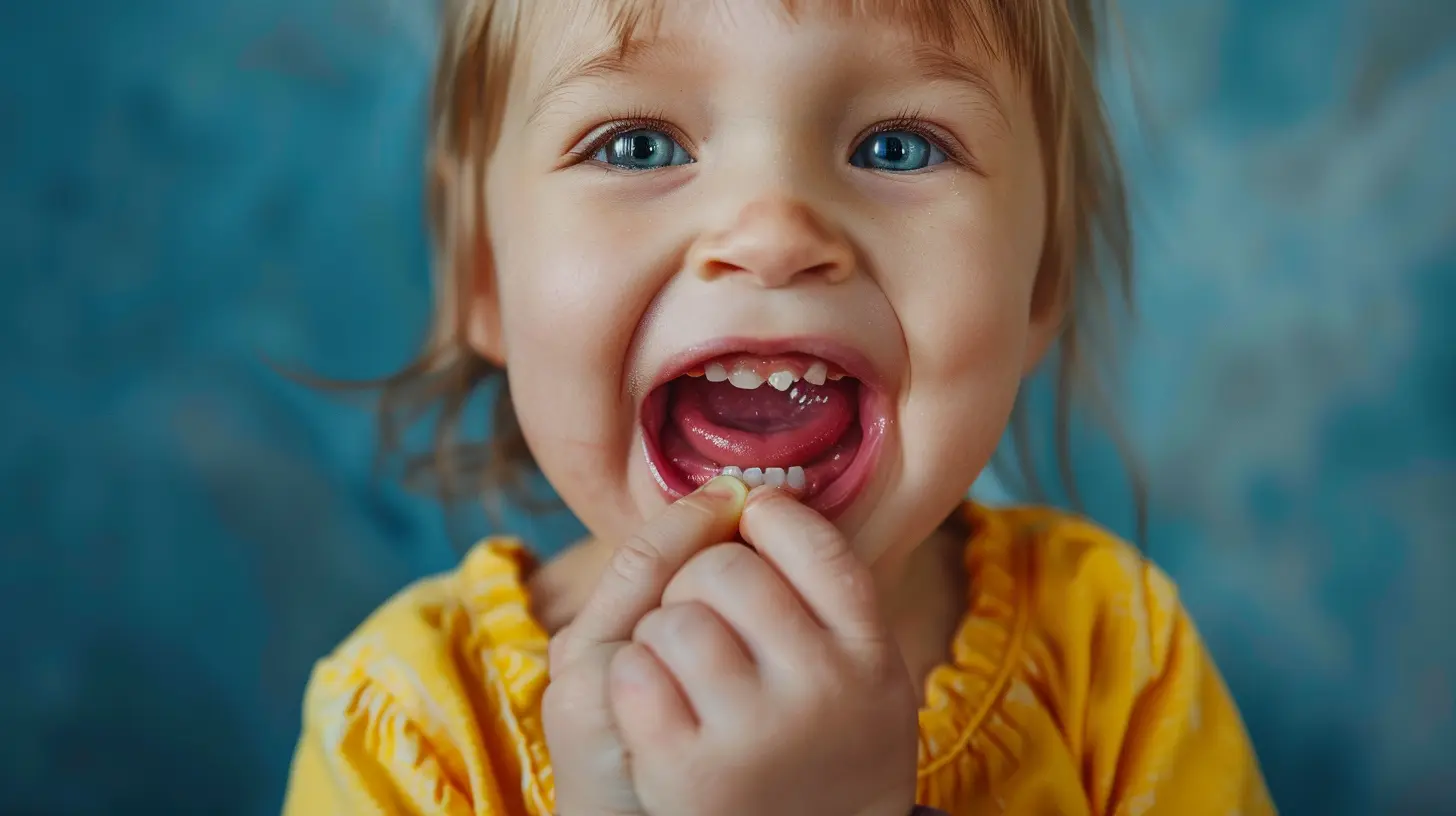
Gum Sensitivity: Not All Gums Are Created Equal
Think of baby gums like personality types — some are chill, some are drama queens, and others are somewhere in between.Some babies naturally have more sensitive gums, making the sensation of a tooth pushing through more uncomfortable. Imagine trying to push a rock through a balloon — yeah, ouch. Now picture that happening in your mouth. Makes sense why babies get cranky, right?
Others might have tougher gum tissue or their teeth could be coming in at an angle that causes less pressure. Either way, the how can be just as important as the when.
Saliva To The Rescue? Maybe…
Did you know saliva has soothing properties? That’s right — it’s like nature’s version of a mini cooling gel for irritated gums.Some babies drool a ton when teething (hello, endless bib laundry), and that extra saliva can actually help ease discomfort. On the flip side, babies who drool less might not get that natural soothing effect, making teething a bumpier ride.
So, in a weird twist of fate, the baby turning your house into a slip 'n slide might actually be feeling better than the tidy, dry-faced cutie next door.
Teething Order and Timing: Every Baby Has a Schedule
You know how some people are earlybirds and others are night owls? Babies are kind of the same when it comes to teething.Some littles start teething super early and get the hardest part out of the way before they even know what day it is. Others take their sweet time — and by the time teeth show up, they’re much more aware (read: cranky) about the whole thing.
Also, the order in which teeth come in can matter. The front teeth (usually the first to erupt) are often less painful than molars or canines. So if your baby’s first tooth is a molar? Buckle up.
Personality Plays a Bigger Role Than You’d Think
Believe it or not, your baby's temperament can influence how they handle teething.Some babies are naturally more laid-back, and they just shrug off discomfort. Others are more sensitive to any change in their body and respond with all the vocal range their little lungs can muster.
So if your child cries at a sock being put on wrong, chances are they’ll have a dramatic response to teething too. Totally normal. Totally frustrating. Totally lovable.
Teething Aids: Why They Work for Some But Not Others
Teething rings, cold washcloths, frozen fruit in mesh feeders — there are plenty of tools in the teething toolbox. But here's the deal: what works wonders for one baby might barely make a dent for another.Why? Well, it comes back to sensitivity, preference, and maybe just good old baby stubbornness. One baby may find a frozen carrot the answer to their sore gum prayers, while another hurls it across the room with a look of pure betrayal.
Pro Parenting Tip: Rotate your teething toys. Sometimes novelty is just as powerful as comfort.
Feeding Habits Matter Too
If your baby is still nursing or drinking from a bottle, you might notice teething affects their feeding patterns — and that can snowball into how they handle the whole process.For example, a baby who suddenly pulls away from feedings or refuses to latch might be dealing with teething pain, especially if the suction irritates their gums.
On the flip side, some babies nurse even more during teething for soothing comfort. Neither is right or wrong — just different ways of dealing with the same sensation.
Teething Myths That Might Be Adding to the Confusion
Let's clear the air real quick because teething folklore is alive and well:- "Teething causes fevers." Sort of. A very mild temperature is common, but high fevers usually mean something else. Don’t write everything off as teething!
- "All babies drool when they teethe." Not true. Some barely produce extra spit.
- "If they’re not cranky, they’re not teething." Nope. Some babies are just cool as cucumbers.
So don’t automatically compare your baby to someone else’s — every mouth (literally) tells a different story.
Tips for Making Teething Less Miserable (For Everyone)
Okay, so you can't prevent teething — but you can make it more manageable. Here are some quick and dirty parent-tested tips:1. Cold Things Are Your BFF
Chilled teething rings, wet washcloths, cold fruit — all great for numbing sore gums.
2. Massage Those Gums
Wash your hands and gently rub your baby's gums in circles. Oddly satisfying (for both of you).
3. Distract, Distract, Distract
Sometimes all they need is something new to look at or a silly face to forget their teething woes.
4. Use Pain Relief Wisely
Ask your pediatrician about baby-safe pain relievers if the situation gets too intense.
5. Bibs Are Life
Keep a stash in every room to handle the onslaught of drool. Less wet = happier baby.
Final Thoughts: Your Baby Isn’t Broken, Promise
Here’s what it all comes down to: all babies are different — full stop. Some breeze through teething like they’re barely aware it's happening. Others make sure everyone within a 5-mile radius knows a tooth is erupting.Whatever your baby's style, you’re doing great. Really. Whether you're rocking your little one at 3 a.m. praying that molar comes in already, or you're high-fiving yourself for a pain-free week, it’s all part of the parenting journey.
And remember — teething is tough, but temporary. Before you know it, you’ll be looking back at this phase with a weird mix of exhaustion and nostalgia.
Hang in there. Baby teeth may be small, but they sure know how to make a big entrance.
all images in this post were generated using AI tools
Category:
Teething BabyAuthor:

Kelly Snow
Discussion
rate this article
2 comments
Quade Myers
Great article! It’s fascinating to see how each baby’s teething journey is so unique. Understanding the factors involved can really help parents navigate this tricky time with a bit more confidence and ease!
December 21, 2025 at 4:13 PM
Kelly Snow
Thank you for your kind words! I'm glad you found the article helpful in navigating the unique teething experiences of babies.
Fable Gilbert
Every baby is unique, and teething is just one of the many challenges they face. Embrace the journey with patience and love! Remember, each tooth that emerges is a step towards growth, and every giggle amidst the discomfort is a reminder of their resilient spirit. You've got this!
December 15, 2025 at 5:02 AM
Kelly Snow
Thank you for your thoughtful comment! Absolutely, each baby's teething experience is unique, and embracing their journey with love and patience makes all the difference.