Online Classes and Tutorials for Teaching Kids Life Skills
19 May 2026
Parenting is a journey filled with countless responsibilities, isn’t it? Among the many hats we wear, teaching our kids life skills is one of the most important. But let’s face it, as much as we want to prepare them for the world, we’re not always sure where to start or how to do it effectively. That’s where online classes and tutorials come to the rescue. They’re like the modern-day toolbox for parents, offering an ocean of resources to help your kids not just survive but thrive in life.
In today’s tech-savvy world, where kids are practically glued to their screens, online learning turns those digital hours into something productive. But what life skills can kids really learn online? And how do you make sure they’re actually benefiting? Let’s dive into this topic and figure it all out together.
Why Are Life Skills So Important?
Before we jump into the "how" of teaching life skills, let’s talk about the "why." Life skills aren’t just about doing chores or knowing how to cook. They’re about building independence, confidence, and the ability to adapt to the ever-changing world. They help your child problem-solve, communicate, and become resilient.Think about it – basic things like managing money, making healthy decisions, or even knowing how to handle failure boil down to life skills. If kids don’t pick these up early, adulthood can feel like being thrown into a pool without knowing how to swim. And guess who’s the swim coach? Yup, you! 
The Role of Online Classes in Teaching Life Skills
Now, let’s talk about where online platforms come into play. Gone are the days when life skills could only be taught at home or in school. Online classes offer flexibility, a wide range of topics, and expert insights right at your fingertips.And let’s be honest – kids today naturally gravitate toward online learning because it feels modern and engaging. It’s like sneaking vegetables into a cheesy casserole—they don’t even realize they’re learning something valuable while they’re having fun.
Benefits of Online Learning for Life Skills
1. Personalized PaceEvery child learns differently. Some pick things up quickly, while others need more time. Online tutorials allow kids to learn at their own pace without the pressure of keeping up with others.
2. Diverse Topics
From cooking to coding and everything in between, online platforms offer a buffet of life skills to choose from. Whether you want your kid to master public speaking or learn how to budget their allowance, there’s a course for that.
3. Convenience
Let’s face it, between school activities, soccer practice, and piano lessons, schedules are hectic. Online classes let you fit learning into whatever time slots work best. Even a 20-minute class before bedtime can set the stage for growth.
4. Access to Experts
Sometimes, you might feel like you don’t have all the answers (and that’s okay!). Online platforms connect your kids with experts who specialize in teaching life skills. These are people with years of experience, and they often know how to deliver lessons in a way that keeps kids interested. 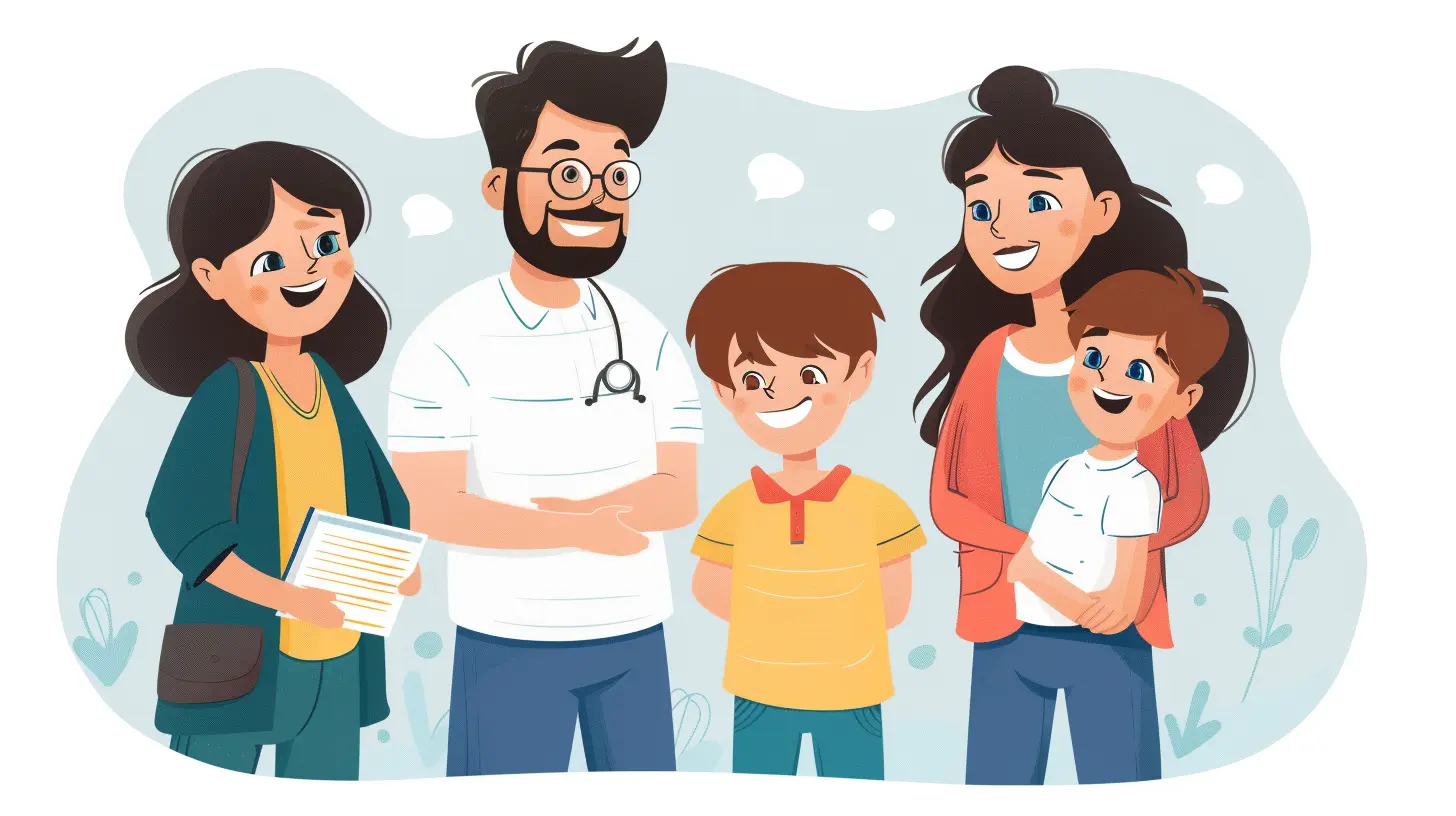
Top Life Skills Kids Can Learn Online
Okay, so what exactly can your kids learn through online classes? You’d be surprised at the variety. Here are some ideas to get you inspired:1. Cooking and Nutrition
Cooking is a fundamental life skill, but it’s also a creative one. Online cooking classes for kids simplify recipes and build confidence in the kitchen. Plus, they might stop complaining about veggies once they’re the ones making the meal.Nutrition-focused tutorials can also educate kids on the importance of a balanced diet and help develop lifelong healthy eating habits.
Great Platforms to Check Out:
- MasterClass (with chefs like Gordon Ramsay)- Kids Cook Real Food
- YouTube tutorials specifically designed for kids
2. Money Management
Budgeting, saving, and spending wisely are skills most of us wish we’d learned earlier in life. Platforms like Greenlight or Goalsetter offer money management tutorials specifically for kids.Think of these lessons as the Lego blocks of financial literacy—simple, engaging, and structured enough to prepare them for bigger financial challenges in the future.
3. Communication and Public Speaking
Good communication isn’t just about talking; it’s about listening, understanding emotions, and expressing yourself effectively. Online courses like those on Udemy or Coursera teach kids how to stand in front of an audience without freezing up.Let’s be real – whether it’s speaking up in class or negotiating bedtime rules, communication is a skill they’ll use their entire life.
4. Emotional Intelligence
In a world filled with screen time and fast-paced living, emotional intelligence (EQ) is more crucial than ever. Platforms like Big Life Journal focus on teaching kids empathy, mindfulness, and resilience.Think of EQ as the “social glue” that helps your child navigate personal relationships with kindness and understanding.
5. Problem-Solving and Critical Thinking
STEM-based platforms like Tynker or Khan Academy don’t just teach science or math—they also develop your child’s problem-solving muscles. These skills help kids tackle challenges, whether it’s solving a tricky math problem or figuring out why the Wi-Fi isn’t working.6. Time Management and Organization
How many times have you found your kids scrambling to finish homework at the last minute? Tutorials on time management can teach them how to structure their day, prioritize tasks, and stay organized.Apps like Trello or Notion (used with guidance) can turn these lessons into hands-on exercises. 
How to Choose the Right Online Tutorial for Your Child
There’s no shortage of options out there, but how do you make sure the one you’re picking is worth it? Here’s a quick checklist to consider:1. Age-Appropriate Content
Make sure the course or tutorial aligns with your child’s age and comprehension level.
2. Engaging Presentation
Let’s be honest—kids will tune out if something feels boring. Look for platforms that use fun animations, interactive elements, or gamified lessons.
3. Reviews and Ratings
Take a peek at reviews before committing to a class. Other parents’ experiences can give you an idea of what to expect.
4. Free Trials or Low Cost
Many platforms offer free trials or affordable rates. This gives you a chance to test the waters before diving in.
5. Interactive Features
Check if the course includes quizzes, projects, or live feedback. Learning becomes more effective when kids can apply what they’ve been taught.
Tips for Maximizing the Benefits of Online Classes
Online tutorials are great, but they’re not magic wands. Here’s how you can help your child get the most out of their learning:- Set Goals Together: Sit down with your child and talk about what they want to achieve. Setting goals makes the learning process intentional.
- Make It Routine: Consistency is key. Incorporate online learning into their weekly schedule, just like you would sports or music lessons.
- Be Involved: Even though the class is online, your involvement matters. Discuss what they’ve learned and encourage them to practice.
- Balance Screen Time: Everything in moderation, right? Balance online education with offline activities to avoid burnout.
Final Thoughts
Teaching your kids life skills is one of the greatest gifts you can give them—and online classes make that process easier, more accessible, and even fun. These courses don’t just teach “how to tie your shoes” kind of skills; they nurture character, independence, and resilience.So, the next time your child is glued to their tablet, maybe it’s time to swap out the endless stream of cartoons for a tutorial on cooking, budgeting, or problem-solving. Who knows? You might just be raising the next little chef, coder, or compassionate leader.
all images in this post were generated using AI tools
Category:
Parenting ResourcesAuthor:

Kelly Snow
Discussion
rate this article
1 comments
Jordan Harper
Why not throw a virtual cooking class into the mix? Nothing says life skills like a kid trying to make toast... and setting off the smoke alarm!
May 20, 2026 at 2:40 AM
Kelly Snow
That's a great idea! Cooking classes can be fun and practical, plus they'll definitely create some memorable moments... even if the smoke alarm has to join in!