Understanding Postpartum Separation Anxiety
20 April 2026
Bringing home a new baby is one of the most magical, exhausting, and emotionally wild rides you'll ever go on. Everyone talks about the sleepless nights, the diaper blowouts, and the amazing baby snuggles—but not enough light is shed on a lesser-known yet very real experience: postpartum separation anxiety.
If you’ve ever felt overwhelmed, panicked, or deeply uneasy at the thought of being away from your baby—whether it's for a minute or a few hours—you’re not alone. Postpartum separation anxiety is a thing, and it's more common than people think.
Let's take a deep dive into what it is, why it happens, and how to cope with it so that you can feel more grounded and supported during this huge life transition.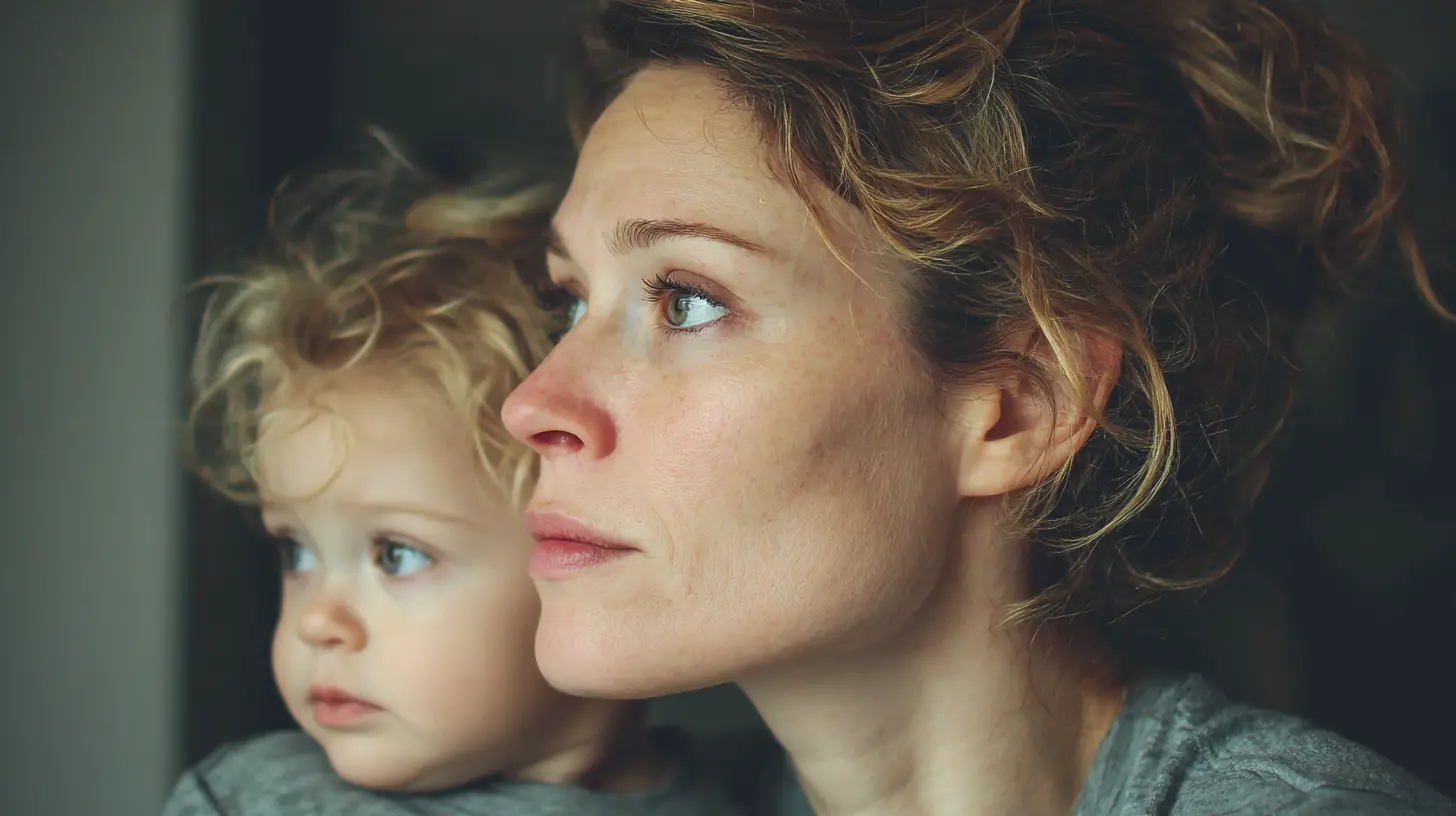
What Exactly Is Postpartum Separation Anxiety?
In plain terms, postpartum separation anxiety is when a parent (usually the mom, but not always) experiences intense fear, worry, or distress at the thought or reality of being apart from their baby. This isn’t just a case of the “new mom jitters.” It's deeper than that.Imagine this: you step out for a quick grocery run, but the entire time your mind is racing with thoughts like, “What if something happens while I’m gone?” or “Is the baby okay without me?” That constant loop of anxious thoughts can feel paralyzing.
And let’s be honest—parenting is terrifying sometimes. You’ve just created a tiny human who depends on you for everything. That’s a lot.
Isn't That Just a Normal Part of Being a New Parent?
Up to a point, yes. It’s completely natural to feel protective and even reluctant to leave your baby for the first few weeks or months. Those feelings are part of the deep parent-child bond that forms after birth.But when the anxiety is intense, persistent, and starts affecting your day-to-day life—or if it continues well beyond the postpartum period—it can become a bigger issue.
It’s the difference between, “I’d rather not leave the baby right now,” and “I physically can’t stand the idea of being away, and I’m panicking." The latter points to postpartum separation anxiety.
Why Does Postpartum Separation Anxiety Happen?
Like a lot of mental health challenges, there’s no one-size-fits-all reason. It’s a cocktail of emotional, hormonal, and sometimes psychological factors. Here are a few of the key ingredients that contribute:1. Hormonal Shifts
Your body just went through a major event. Hormones like estrogen and progesterone take a wild rollercoaster ride after birth. These hormones help regulate mood, so when they dip (which they do significantly postpartum), it can trigger feelings of anxiety and fear.2. Sleep Deprivation
Lack of sleep is a monster for your mental health. When you’re running on fumes, your brain has a harder time coping with stress and regulating emotions. Suddenly, a missed nap or bottle feels like an emergency.3. Heightened Sense of Responsibility
You’re now in charge of someone else's entire life. That’s huge. It’s totally normal for that responsibility to weigh heavily on your mind, especially if you're a first-time parent.4. Previous Mental Health History
If you’ve struggled with anxiety, depression, or OCD in the past, your risk for postpartum anxiety (including separation anxiety) can be higher.5. Attachment and Bonding
That intense love you feel? It can manifest as anxiety. You’re so connected to your baby that the idea of separation feels like tearing off a piece of yourself.
What Does Postpartum Separation Anxiety Feel Like?
It might not look the same for everyone, but here are some common experiences:- Feeling panicked at the idea of leaving your baby—even with a trusted partner or caregiver
- Avoiding plans or social events that require separation
- Constantly checking on your baby when you’re apart, even if you just stepped away for a moment
- Racing thoughts or catastrophizing possible outcomes (“What if something terrible happens while I’m gone?”)
- Feeling guilty for needing or wanting time away
- Physical symptoms like rapid heartbeat, sweating, or shortness of breath
It’s like your brain is sounding an alarm—even when there's no real danger.
How Is This Different From Postpartum Depression or General Anxiety?
Great question—because they are all connected, but they’re not quite the same.- Postpartum Depression (PPD) often includes feelings of sadness, hopelessness, and disinterest in the baby or daily life.
- Postpartum Anxiety (PPA) includes constant worry, but it’s usually broader—about baby’s health, germs, milestones, etc.
- Postpartum Separation Anxiety, specifically, zeroes in on the fear of being apart from your baby. It’s more focused and is a type of postpartum anxiety.
The tricky thing? They can overlap. Many parents experience more than one.
When Does It Show Up and How Long Does It Last?
For some parents, it starts almost immediately after birth. For others, it creeps in weeks or even months later. Unfortunately, there isn’t a set timeline.Sometimes, it fades naturally as you gain confidence and your baby becomes more independent. In other cases, it may linger, requiring outside support to manage effectively.
Is It Just Moms Who Experience This?
Not at all. While postpartum challenges are most commonly associated with mothers—especially due to the hormonal aspect—fathers and partners can also experience intense separation anxiety. They, too, are bonding deeply with their baby and adjusting to a new identity.So, What Can You Do About It?
Good news: you’re not stuck feeling this way forever. Here’s a look at some ways to manage and overcome postpartum separation anxiety.1. Talk About It
Seriously—don't bottle this up. Talk to your partner, a friend, or a therapist. Just saying it out loud can help you feel less alone and more supported.2. Gradual Separation Practice
Start small. Leave the room for five minutes while someone else watches the baby. Build up your comfort level in tiny steps. It’s sort of like a mental workout; the more you do it, the stronger you become.3. Create Transitional Objects
Leave a piece of your clothing with your baby when you step out. It helps both of you feel connected even when apart. Bonus—it’s a great comfort item for naptime.4. Challenge Negative Thoughts
Your brain might be telling you, “If I leave, something bad will happen.” Challenge that thought. Ask yourself: Is there actual evidence? Or is this fear running the show?Try writing these worries down and then countering them with facts. This helps rewire your thought patterns over time.
5. Seek Professional Help
Therapists specializing in postpartum mental health can teach you techniques like Cognitive Behavioral Therapy (CBT) to manage anxiety. Medication may also be an option if needed—and there’s no shame in that.6. Self-Care Isn’t Selfish
You’ve heard it a million times, but it's worth repeating: You can’t pour from an empty cup. Take time for yourself, even if it’s just a walk, a nap, or a Netflix binge. Separation anxiety often stems from burnout.7. Connect With Others
Join a parenting group—even a virtual one. Hearing “me too” from another parent can be incredibly validating and healing.The Long-Term Outlook
Postpartum separation anxiety doesn’t last forever. Most parents find that, with time, support, and self-compassion, the fear starts to ease. Your confidence grows, your baby becomes more independent, and the intense grip of anxiety loosens.But recovery isn’t a straight line. There will be good days and hard ones—and that's okay.
When Should You Seek Help?
If the anxiety is interfering with your ability to function, bond with your baby, or enjoy life, it’s time to talk to a healthcare provider. You deserve support, just like you’d get for any other health issue.And remember, asking for help doesn’t make you a bad parent. It makes you a smart one.
Final Thoughts
Being a new parent is already emotionally intense—throw postpartum separation anxiety into the mix, and it can feel like you're juggling chainsaws while walking a tightrope. But you're not alone. Really.What you’re feeling isn’t weird or wrong—it’s part of a deeply human response to a life-altering event. The good news? There are steps you can take, support systems out there, and a light at the end of the tunnel.
With a little self-awareness, a lot of grace, and maybe some professional help, you can find your footing again.
Keep showing up. You're doing better than you think.
all images in this post were generated using AI tools
Category:
Postpartum RecoveryAuthor:

Kelly Snow
Discussion
rate this article
2 comments
Audrey Hahn
Thank you for shedding light on postpartum separation anxiety. It’s a deeply challenging experience for many parents, and your insights can help foster understanding and support. Remember, it's okay to seek help and connect with others who share similar feelings. You're not alone.
April 25, 2026 at 4:10 AM
Kelly Snow
Thank you for your thoughtful comment. I'm glad the article resonated with you. It's so important for parents to feel supported and understood during this time.
Primrose McCloud
Postpartum separation anxiety can feel overwhelming, but remember, you’re not alone. Acknowledge your feelings and embrace the journey of motherhood. With support, understanding, and self-compassion, you can transform anxiety into connection. Together, let’s create a nurturing space for both you and your baby.
April 21, 2026 at 3:28 PM
Kelly Snow
Thank you for your thoughtful comment. It's so important to feel connected and supported during this time. Together, we can navigate these challenges and find comfort in each other.